
Biocontrol Agent Programmes
Entomopathogenic fungi and predatory insects for sustainable pest suppression.
Beauveria bassiana and Metarhizium deliver proven fall armyworm suppression in East Africa.
Biocontrol agents including Beauveria bassiana, Metarhizium anisopliae and Trichoderma species are now field-proven for control of fall armyworm, thrips, whitefly and soil-dwelling pests across East African crop systems. Jos•Hansen distributes Koppert Biological Systems and BASF Biocontrol products, covering the full range of entomopathogenic fungi, predatory mites and parasitic wasps registered in East and Southern Africa. Every biocontrol programme is integrated with conventional chemistry as a rotation partner, extending efficacy windows while reducing chemical input costs and residue levels on export-destined crops.
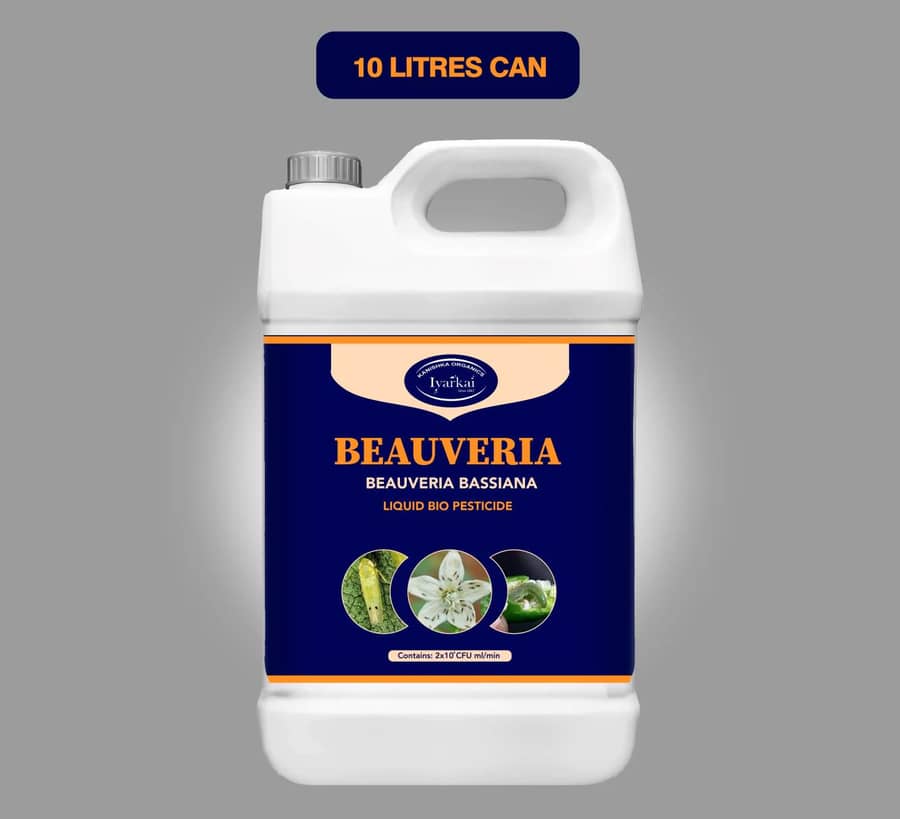
FAW suppression
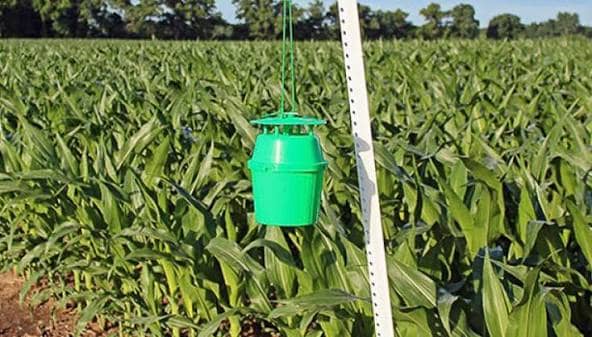
Beauveria bassiana spores penetrate the cuticle of fall armyworm larvae and pupae, delivering 60-80% mortality within 5-7 days without leaving any chemical residue on the crop. FAW populations cannot develop resistance to entomopathogenic fungi through repeated exposure.
Resistance delay
Rotating biocontrol agents between conventional chemistry application windows prevents the single-class selection pressure that accelerates insecticide resistance. A biocontrol interval placed between two IRAC chemistry class applications is the lowest-cost resistance management tool available.
Residue reduction
Biocontrol agents leave no chemical residue on harvested crop, directly reducing the risk of MRL exceedances on export-destined vegetables and horticultural produce. Buyers in EU and UK markets increasingly require evidence of biocontrol integration in supplier crop protection programmes.
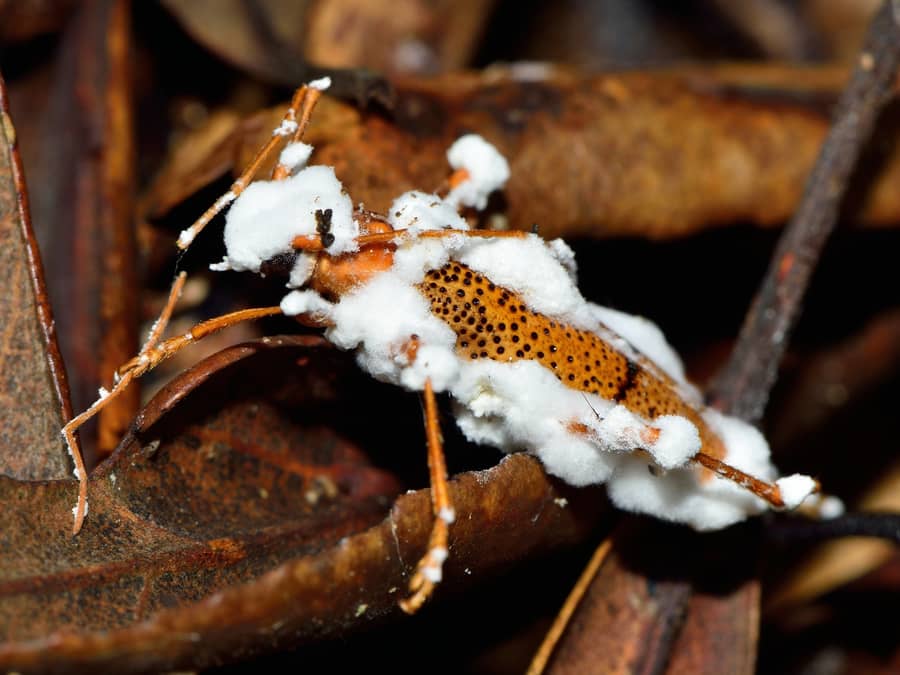
Beauveria bassiana delivers proven fall armyworm suppression in maize.
Beauveria bassiana acts as a contact mycoinsecticide, with spores adhering to the cuticle of fall armyworm larvae and germinating to penetrate the body wall. Infection causes feeding cessation within 24-48 hours and larval mortality within 5-7 days under field conditions. Jos•Hansen programmes Beauveria bassiana as a weekly alternation product between conventional insecticide applications at the V3-V8 maize growth stage, when FAW pressure is highest. Efficacy is maintained at soil temperatures above 20 degrees Celsius, which covers the primary FAW risk window across East Africa from February to May.
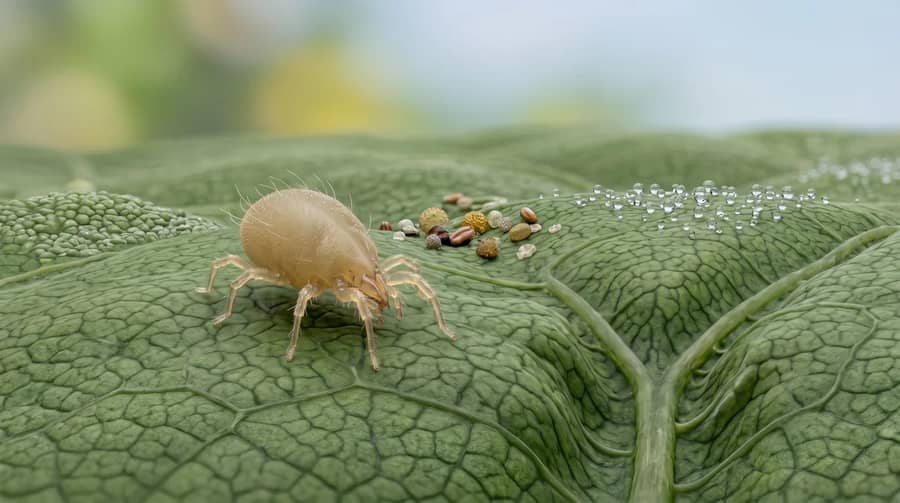
Predatory mites and parasitic wasps control thrips and whitefly.
Amblyseius cucumeris predatory mites suppress thrips populations in protected tomato, pepper and cucumber crops by consuming first instar larvae at rates of up to 5-10 thrips per mite per day. Encarsia formosa parasitic wasps are used for whitefly control in greenhouse and tunnel crops, targeting the nymphal stages that sucking pesticides often miss. Jos•Hansen supplies these beneficial organisms as sachets for slow-release deployment or mixed populations for immediate establishment in crop canopies. Predatory biocontrol programmes require reduced broad-spectrum insecticide use to protect the beneficial populations, which is built into every Jos•Hansen programme schedule.
Biocontrol intervals extend the effective life of conventional chemistry.
Placing biocontrol application windows between conventional insecticide spray events reduces the selection pressure on target pest populations and delays the resistance development timeline. Jos•Hansen IPM programmes designate specific growth stage windows where biocontrol agents replace conventional insecticides, with chemistry reserved for high-pressure outbreak events above the economic threshold. This rotation pattern reduces seasonal insecticide application frequency by 30-50% in well-managed commercial operations without sacrificing yield protection. The cost saving from reduced chemistry input typically recovers the biocontrol agent cost within a single season in high-value horticultural crops.

Technical specifications.
Active organisms
Beauveria bassiana / Metarhizium anisopliae / Trichoderma / predatory mites / parasitic wasps
Key pest targets
Fall armyworm, thrips, whitefly, fungus gnats, spider mites, soil-dwelling pests
Application method
Foliar spray, soil drench, slow-release sachet, biopesticide granule
Residual activity
10-14 days for Beauveria bassiana per application under field conditions
Compatibility
Compatible with most selective fungicides and insecticides at label rates
Registration
KEPHIS and PCPB registered products. Cold chain storage required at 2-8°C
Larval mortality delivered by Beauveria bassiana against fall armyworm under East African field conditions within 5-7 days of application at registered rates
Reduction in seasonal insecticide application frequency achievable with structured biocontrol rotation intervals in commercial horticultural programmes
Reported cases of pest resistance to entomopathogenic fungi. Biocontrols do not trigger the resistance selection pressure that drives chemical resistance
Why Biocontrol.
No resistance risk
Entomopathogenic fungi work through multiple infection pathways simultaneously. Pest populations cannot develop resistance to Beauveria or Metarhizium through repeated exposure.
Zero MRL residue
Biocontrol agents leave no chemical residue on harvested crop, eliminating MRL exceedance risk for EU and UK export-market consignments.
Chemistry rotation partner
Biocontrol intervals placed between IRAC chemistry class applications are the lowest-cost resistance management tool available to commercial crop producers.
Beneficial-compatible
Biocontrol programmes are designed to preserve natural enemy populations, compounding pest suppression through additive beneficial organism effects.
Partner with Jos Hansen
Talk to our procurement and operations teams about your next infrastructure, healthcare or scientific deployment.