
Certified Crop Seed Varieties
Certified improved varieties of maize, sorghum, wheat and pulse crops bred for East and Southern African conditions.
A farmer planting uncertified farm-saved seed is starting the season with a yield ceiling below the field’s potential.
Certified seed from professionally improved varieties carries a documented genetic yield advantage of 20-40% over farmer-saved seed under identical management conditions, representing the highest-return single input decision available in any crop season. Jos•Hansen supplies certified seed varieties of maize, sorghum, wheat, soybean and common bean selected for East and Southern African climate conditions, soil types and market requirements. Every variety in the portfolio is tested through regional performance trials before listing, with selection criteria covering yield potential, drought tolerance, disease resistance and market acceptability to ensure the recommended variety fits the specific farming environment.
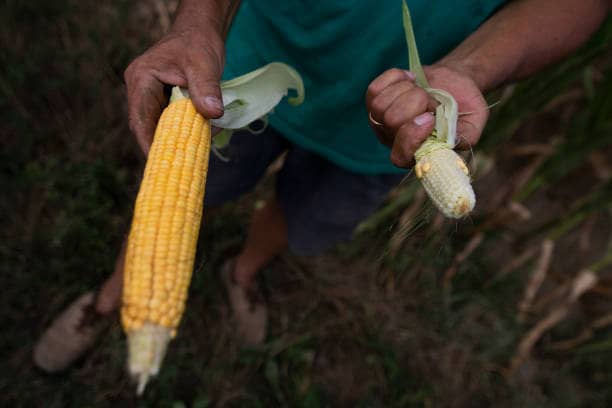
Yield-improved varieties
Professionally bred certified varieties carry 20-40% yield advantages over farmer-saved seed under identical management conditions, representing the single highest-return input decision in any crop season. Hybrid varieties in the portfolio are selected from regional performance trials covering the specific rainfall, soil type and disease pressure of the target growing area.
Drought tolerance
Water Efficient Maize for Africa (WEMA) and drought-tolerant sorghum varieties are bred to maintain commercially viable yields under 30-40% below-average rainfall seasons, protecting farm income in the increasingly variable climate conditions facing East African farmers.
Disease resistance
Varieties with confirmed resistance to maize lethal necrosis (MLN), grey leaf spot, northern corn leaf blight and common rust are listed as the primary recommendation in high-disease-pressure environments, reducing fungicide programme cost and supporting consistent yield across seasons.
Regional performance trials guide every variety recommendation.
Jos•Hansen variety listings are based on multi-location performance trial data from the specific agroecological zones where seed will be planted, not on global or national average performance figures that may not apply to the target environment. Trial networks run by CIMMYT, KEPHIS, TARI and collaborating commercial seed companies generate site-specific yield and agronomic performance data that informs the annual variety recommendation update. Varieties are evaluated against drought tolerance, disease resistance, market grain type preference, days to maturity and stover quality for livestock systems, not only headline yield potential. The result is a variety recommendation that fits the specific combination of climate, soil, pest pressure and market requirements of each farm rather than a single national recommendation applied regardless of local conditions.
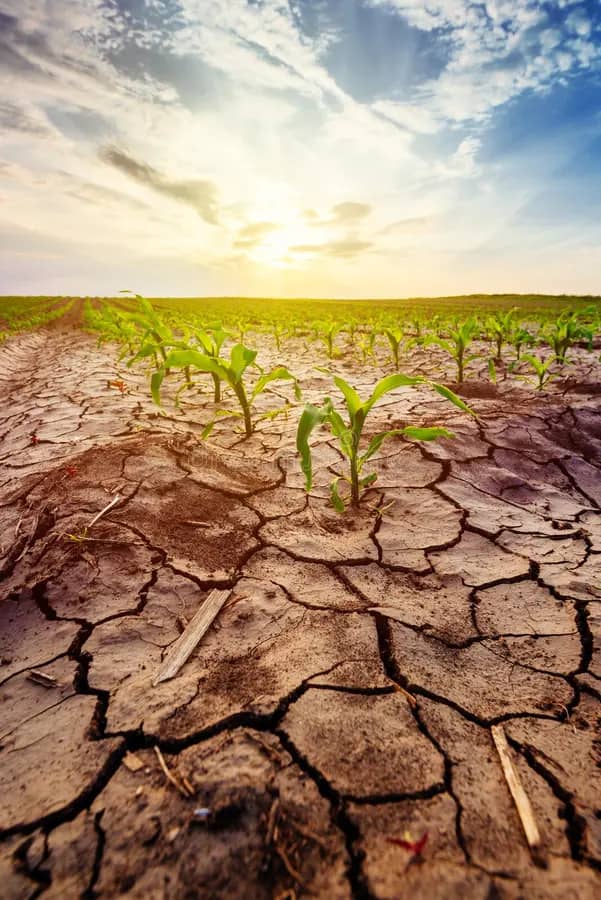
Drought-tolerant genetics protect yield in variable rainfall seasons.
Rainfall variability is the primary production risk for rain-fed farming across East Africa, with below-average seasons occurring in 1 of every 3-4 years in most growing areas. Drought-tolerant varieties bred under the WEMA and DTMA programmes maintain commercially viable yields at 60-70% of optimal water availability, the point where conventional varieties suffer catastrophic yield loss. Jos•Hansen prioritises drought-tolerant varieties as the default recommendation for rain-fed smallholder and commercial systems, reserving high-yielding conventional hybrids for irrigated or reliably high-rainfall environments where their full yield potential can be expressed. Variety selection guidance is provided at the farm level by Jos•Hansen agronomists with access to 10-year rainfall probability data for each target growing region.
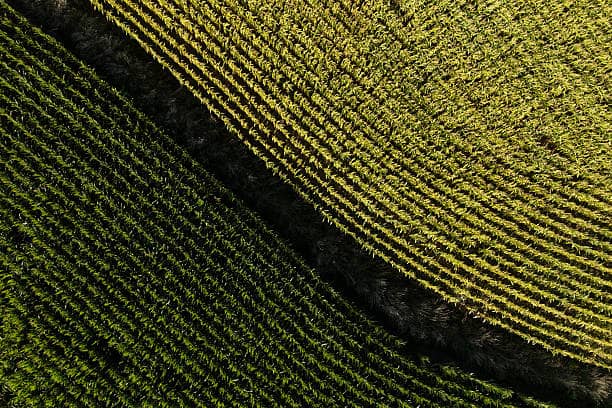
Disease resistance reduces fungicide programme cost and yield risk.
Maize lethal necrosis is now endemic in East Africa and causes 100% crop loss in highly susceptible varieties in disease-pressure environments. Grey leaf spot and northern corn leaf blight are the primary foliar disease threats across highland maize systems, each capable of reducing yield by 30-50% in susceptible varieties without fungicide protection. Jos•Hansen’s variety listing process screens all candidates against confirmed resistance to the primary disease threats in each target zone, reserving high-susceptibility varieties for low-disease-pressure environments only where their yield advantage can be captured without disease management cost. Planting a resistant variety eliminates or significantly reduces the fungicide programme cost required to protect the yield investment, improving the input cost economics of the full production system.
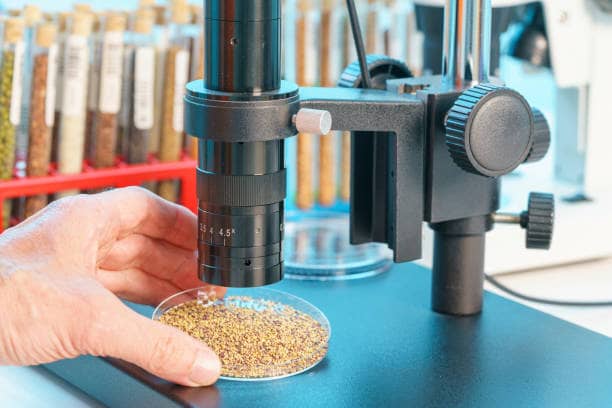
Technical specifications.
Crop species
Maize (hybrid and OPV), sorghum, wheat, soybean, common bean, cowpea
Certification standard
KEPHIS, TOSCI, NARO or equivalent national seed certification authority
Germination guarantee
Minimum 85-90% germination rate on certified seed lots at time of delivery
Variety attributes
Yield potential, drought tolerance, MLN and foliar disease resistance ratings provided
Packaging
2 kg, 5 kg and 25 kg sealed foil packs with certification tag
Agronomic support
Variety selection advisory and planting density recommendations included
Yield advantage of certified improved variety over farmer-saved seed under identical management conditions, representing the highest single-input return available in any crop season
Yield retention in drought-tolerant varieties at 60-70% of optimal rainfall, compared to conventional variety yield collapse below the critical water availability threshold in variable seasons
Potential crop loss from maize lethal necrosis in highly susceptible varieties planted in endemic areas, making MLN resistance a non-negotiable screening criterion for East African variety selection
Why Certified.
Highest-return input
Certified improved seed delivers 20-40% more yield per unit of all other inputs applied, making it the single highest-return investment available in any crop season.
Disease protection built in
Varieties screened for MLN, grey leaf spot and rust resistance reduce fungicide programme cost while protecting yield in disease-pressure environments.
Climate resilience
Drought-tolerant genetics maintain commercial yield viability in the below-average rainfall seasons that occur in 1 of every 3-4 years across East African growing areas.
Region-specific selection
Multi-location trial data ensures variety recommendations fit the specific agroecology, disease pressure and market requirements of each target growing area.
Partner with Jos Hansen
Talk to our procurement and operations teams about your next infrastructure, healthcare or scientific deployment.