
Soil Health Programmes
Biostimulants, microbial inoculants and soil conditioners that restore soil biology and lift yield ceilings on degraded land.
Stagnant yields on increasing fertiliser inputs point to a soil biology problem, not a chemistry problem.
An estimated 65% of agricultural land in sub-Saharan Africa has been degraded through erosion, nutrient depletion and compaction, creating an invisible yield ceiling that synthetic fertiliser alone cannot break. Jos•Hansen soil health programmes combine biostimulants, microbial inoculants and soil conditioners to restore the mycorrhizal networks, bacterial communities and organic matter levels that drive natural nutrient cycling. Every programme is preceded by soil analysis to identify the specific biological and structural deficiencies present, ensuring inputs address the actual limiting factors rather than applying generic amendments without diagnostic basis.
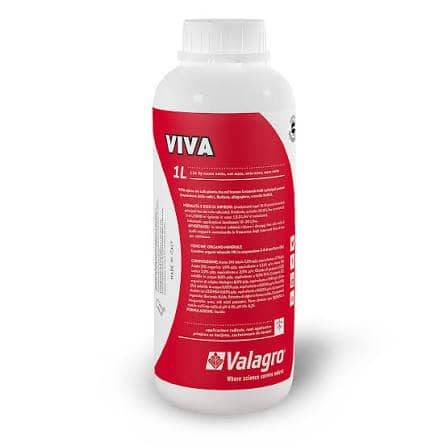
Biostimulant range
Seaweed extracts, humic and fulvic acids, and amino acid-based biostimulants improve nutrient uptake efficiency, root development and stress tolerance. Biostimulants increase the return on fertiliser investment by improving crop access to applied nutrients rather than by adding nutrient volume.
Microbial inoculants
Mycorrhizal fungi and rhizobacteria inoculants establish symbiotic soil biology that drives phosphorus mobilisation, nitrogen fixation and water retention. A single inoculant application at planting can reduce phosphate fertiliser requirements by 20-30% while maintaining equivalent yield.
Soil conditioners
Gypsum, lime, biochar and compost-based conditioners correct soil structure problems that restrict root development and water infiltration. Structural correction is the prerequisite for biostimulant and fertiliser effectiveness in compacted or acidic soils.
Soil biology restoration is the prerequisite for fertiliser efficiency.
Fertiliser applied to biologically collapsed soil cannot be efficiently taken up regardless of application rate. Mycorrhizal fungi form symbiotic networks around crop roots that extend the effective root surface area by up to 700%, enabling access to phosphorus and micronutrients beyond the depletion zone created by the roots themselves. Jos•Hansen programmes Rhizophagus irregularis-based mycorrhizal inoculants at planting across maize, tomato, sorghum and legume systems, applied as a seed dressing or in-furrow treatment for direct root contact. Trial data from East African smallholder and commercial farm plots shows 15-25% yield improvements over the first two seasons on soils with measured biological degradation, with fertiliser input costs reducing by season three as soil biological capacity increases.

Biostimulants improve crop nutrient uptake without adding nutrient load.
Humic and fulvic acids chelate soil cations including calcium, magnesium and micronutrients, converting them from fixed unavailable forms into plant-accessible ions. Seaweed-based biostimulants containing natural cytokinins and betaines improve root growth, stomatal regulation and chlorophyll synthesis, increasing photosynthetic efficiency during water stress events. Jos•Hansen biostimulant programmes are applied at 3-4 strategic points in the crop calendar timed to maximum root development and stress periods, not as a blanket additive. Regional formulation selection accounts for the specific soil chemistry and climate pattern of each growing area, with Valagro and Koppert products selected for their East African performance data.
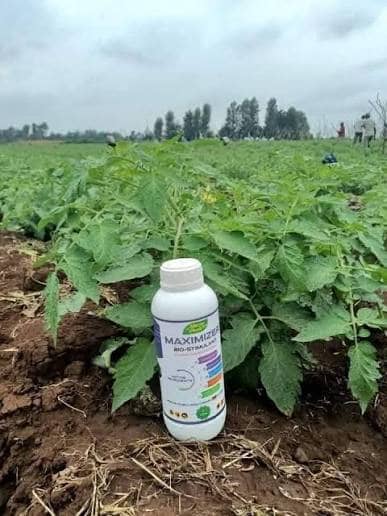
Cover cropping rebuilds organic matter without sacrificing commercial production.
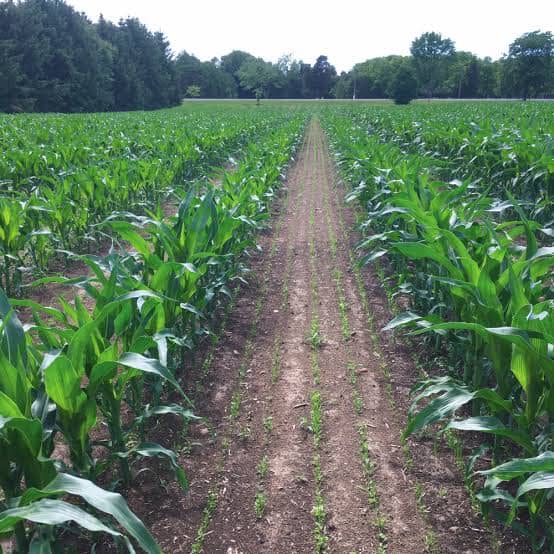
Organic matter is the structural foundation of productive soil, yet East African farming systems consistently mine it faster than it is replaced through tillage, burning and residue removal. Jos•Hansen sustainable farming advisory designs cover crop rotations and intercropping systems that rebuild organic matter over 2-3 seasons without displacing commercial production. Legume cover crops fix 50-150 kg nitrogen per hectare while building root biomass and improving infiltration for the following crop, replacing a portion of synthetic nitrogen in the next cycle. Our programmes specify cover crop species selection, termination timing and incorporation methods calibrated to the specific cropping calendar and labour availability of each farm operation.
Technical specifications.
Biostimulant classes
Seaweed extracts, humic acids, fulvic acids, amino acids, plant hormones
Microbial inoculants
Mycorrhizal fungi (Rhizophagus irregularis), rhizobacteria, Trichoderma
Soil conditioners
Agricultural lime, gypsum, biochar, compost, organic matter products
Application methods
Seed dressing, in-furrow, foliar spray, soil drench, fertigation
Diagnostic basis
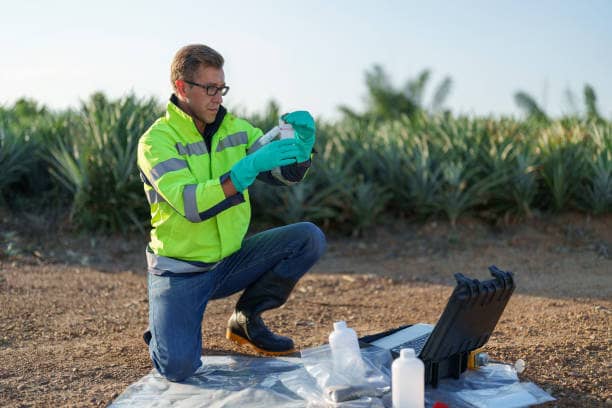
Soil analysis report required before biostimulant programme design
Programme support
Jos•Hansen agronomist advisory included across full crop season
Proportion of sub-Saharan African agricultural land affected by soil degradation, creating yield ceilings that chemistry-only approaches cannot break
Increase in effective root surface area from mycorrhizal fungal networks, improving phosphorus and micronutrient access beyond the root depletion zone
Reduction in phosphate fertiliser requirement achievable with mycorrhizal inoculant establishment while maintaining equivalent crop yield outcomes in trial conditions
Why Soil.
Fertility compound effect
Soil biological investment compounds across seasons as mycorrhizal networks expand and organic matter accumulates, improving both yield and input efficiency year-on-year.
Diagnostic before prescriptive
Every programme begins with soil analysis, ensuring biostimulants and conditioners address specific measured deficiencies rather than applying generic amendments without basis.
Residue-safe inputs
All biostimulant and microbial inoculant products are residue-free and compatible with export market GAP and organic certification requirements.
Climate resilience built in
Restored soil organic matter and biological activity improves drought tolerance by 30-40% and rainfall infiltration by 25% compared to biologically degraded comparator plots.
Partner with Jos Hansen
Talk to our procurement and operations teams about your next infrastructure, healthcare or scientific deployment.