

Eco-friendly Products
Certified biodegradable packaging, solar energy systems and sustainable building materials enabling organisations to reduce environmental footprint.
Africa produces 4 million tonnes of plastic waste annually, with less than 10% managed responsibly.
The transition to sustainable products and materials is no longer optional for African businesses and institutions. Regulatory bans on single-use plastics are in force across Kenya, Rwanda, Tanzania and Uganda. Export buyers are demanding sustainability certification from African suppliers. The economics of solar energy have shifted decisively in favour of renewable systems over diesel generation. Jos•Hansen eco-products portfolio gives organisations the practical alternatives needed to replace single-use plastics, eliminate diesel generation costs and reduce the embodied carbon of infrastructure and operations across Africa. Every product is certified to recognised sustainability standards, with supply chain documentation available for green procurement reporting.
Certified compostable packaging meets African plastic ban regulations.
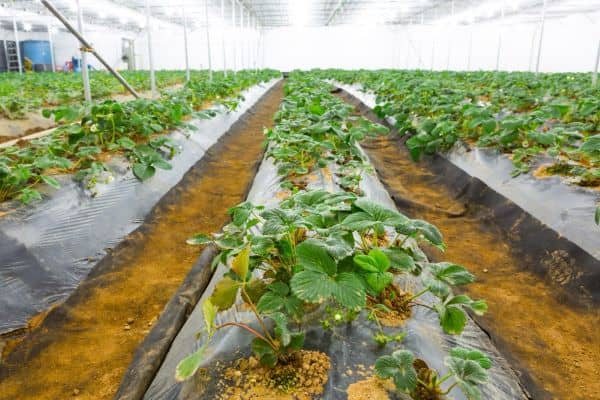
Jos•Hansen compostable packaging products carry EN 13432 and ASTM D6400 certification confirming complete mineralisation within 12 weeks under industrial composting conditions. Product categories include compostable bags, food service packaging, agricultural mulch film and medical waste bags, covering the primary single-use plastic applications regulated under East African plastic ban legislation. Supply chain documentation including certification numbers and test reports is provided with every batch for sustainability reporting.
Solar systems eliminate diesel generation cost at off-grid facilities.
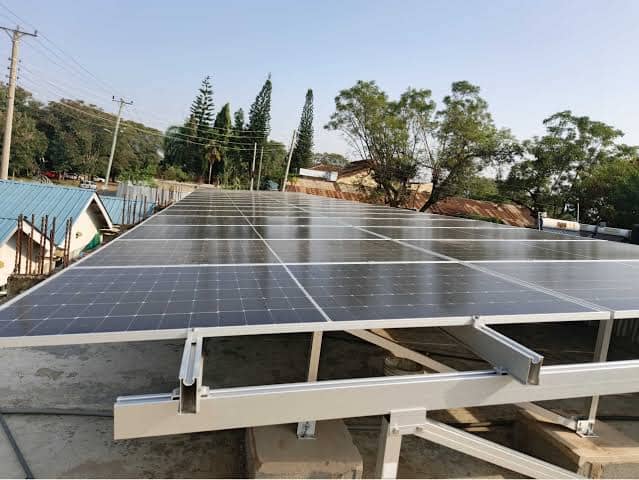
Grid-tied and off-grid solar photovoltaic systems with battery storage eliminate or dramatically reduce diesel generation costs for health facilities, schools, community installations and commercial operations. A correctly sized solar-plus-storage system for a rural health centre typically costs USD 30,000-80,000 installed, recovering capital investment in 3-5 years through eliminated diesel costs and providing 20+ years of reliable power thereafter. Jos•Hansen solar designs are based on an energy audit of the specific facility with sizing matched to the actual load profile.
Servo skin temperature control accuracy — standard for neonatal thermoregulation
Maximum relative humidity in incubator chamber for premature infant skin integrity
Built-in pulse oximetry monitoring — no separate probe or monitor required
Automatic battery backup activates on power interruption — common in African hospitals
Sustainable building materials reduce embodied carbon and waste.
Compressed earth blocks, recycled aggregate concrete, bamboo structural components and low-VOC interior finishes reduce the embodied carbon of building projects by 30-60% compared to conventional Portland cement and imported materials. These materials also reduce construction waste, improve indoor air quality and qualify projects for IFC EDGE, LEED and local green building certification credits. Jos•Hansen sources sustainable materials from certified suppliers with documented recycled content, FSC certification or environmental product declarations.
Blue-spectrum wavelength that bilirubin absorbs most efficiently — the clinical standard for phototherapy
Minimum irradiance for intensive phototherapy per AAP and NICE clinical guidelines
LED lamp operational lifespan — eliminates the bulb replacement costs of conventional fluorescent units
Built for the realities of African maternal care.
Maternity equipment in Africa must function in district hospitals and tertiary referral units alike — with unreliable power, limited technical staff and high patient volume. Every product we supply is specified for that reality.
Every tier of care covered
From basic CTG machines for district health centres to servo-controlled NICU incubators for national referral hospitals — we supply maternity technology appropriate to the clinical environment and patient volume.
Power-resilient by specification
Battery backup is standard across neonatal incubators and phototherapy units — not an optional upgrade. Equipment continues operating through the power interruptions that are a daily reality in many African hospitals.
CTG network configuration
We configure network-capable CTG systems for central monitoring — allowing a single midwife to observe fetal heart rate traces from multiple labour beds simultaneously, reducing missed late decelerations.
Clinical staff training
Midwives, paediatric nurses and biomedical technicians receive hands-on training on every system — CTG trace interpretation, incubator alarm management, phototherapy dosing and equipment maintenance.
Clinical benchmarks that matter.
Maternity equipment performance is measured in precision tolerances and clinical outcomes. These are the figures your neonatologist and clinical engineer will verify at commissioning.
Of term newborns affected by neonatal jaundice — making phototherapy one of the highest-volume neonatal interventions
Incubator servo temperature accuracy — the clinical tolerance for neonatal thermoregulation in premature infants
LED phototherapy hours before lamp replacement — versus roughly 2,000 hours for conventional fluorescent units
μW/cm²/nm — minimum irradiance for intensive phototherapy per AAP and NICE clinical guidelines
Packaging, energy and materials for sustainable operations.
Compostable packaging, off-grid solar systems and low-embodied-carbon building materials provide the practical eco-product alternatives enabling African organisations to comply with environmental regulations and reduce operational footprint.

Global manufacturers. African execution.
Every product we supply is sourced from world-class manufacturers and backed by Jos•Hansen's local installation, training and service capability across East and Southern Africa.
View all partnersRelated services.



Partner with Jos Hansen
Talk to our procurement and operations teams about your next infrastructure, healthcare or scientific deployment.