
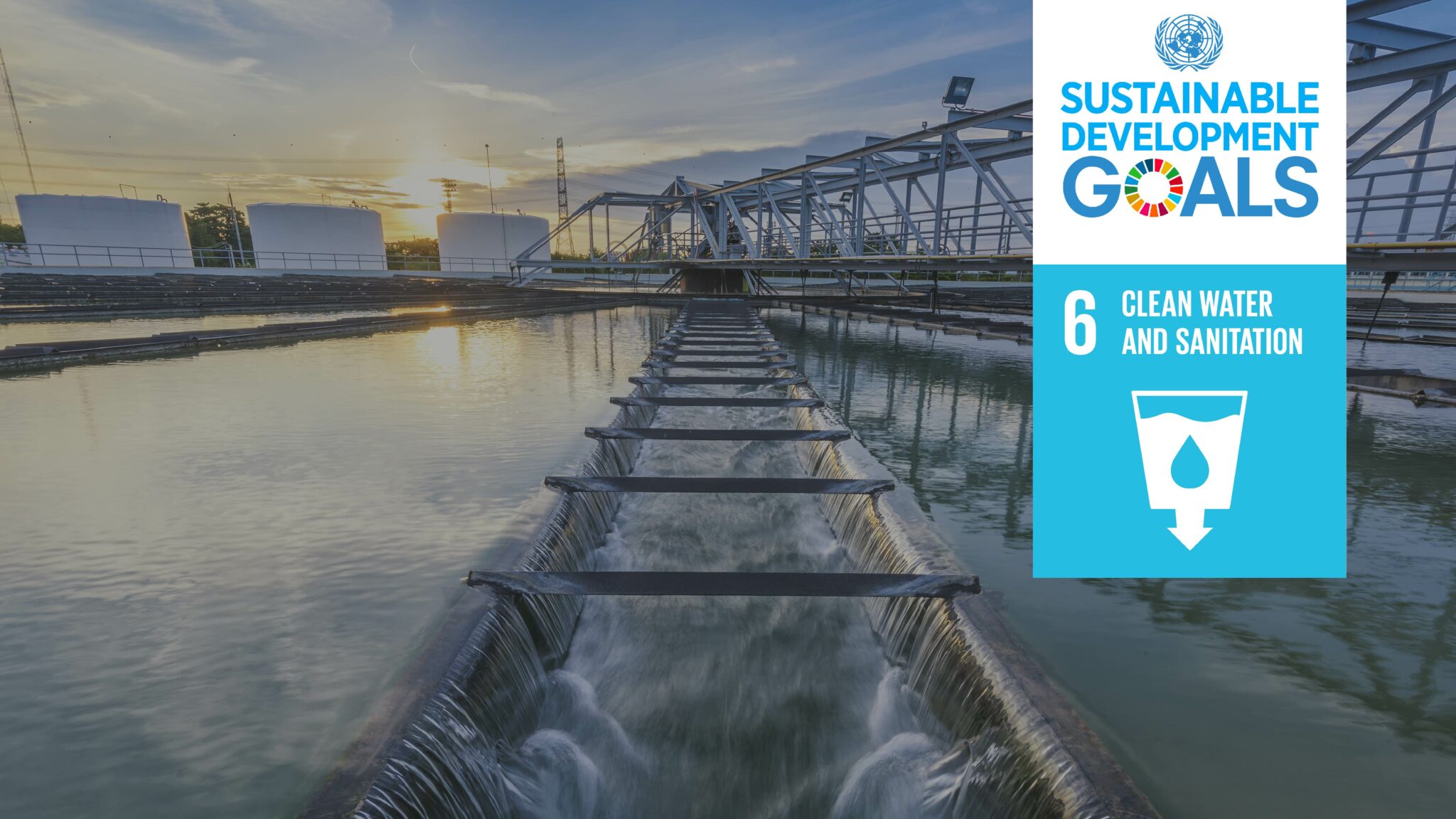
Published on World Water Day 2023. The world committed to Sustainable Development Goal 6 — Clean Water and Sanitation — by 2030. With 80% of global wastewater discharged untreated, the urgency has never been greater.
Water is Life
As the world's population grows, the demand for water continues to increase, making it one of the most important and contested resources on the planet. Climate change is posing a severe and accelerating threat to freshwater resources — causing droughts, floods, and extreme weather events that affect both the quantity and quality of freshwater available across Africa and globally.
This year's World Water Day theme — Groundwater: Making the Invisible Visible — emphasizes the urgent need to speed up efforts toward sustainable water management. It is particularly relevant given the increasing evidence of climate change's impact on water resources and the growing need for coordinated action.
"According to the World Health Organization, over 2 billion people lack access to safe drinking water, and nearly 4 billion people do not have access to safely managed sanitation services."
The lack of access to clean water is a defining challenge for developing nations, particularly across sub-Saharan Africa. With growing pressure on freshwater resources due to pollution and climate change, the sustainable management of groundwater and surface water can no longer be deferred.
Harnessing Wastewater Treatment
The need for wastewater treatment has never been more pressing. Population growth, urbanization, and industrialization have dramatically increased the volume of wastewater generated globally — leading to the pollution of rivers, lakes, and ocean systems across the continent.
"According to the United Nations, around 80% of the world's wastewater is discharged untreated, causing widespread environmental and public health consequences."
If properly utilized, wastewater holds enormous potential as a resource — a source of energy, agricultural nutrients, and clean water. Effective wastewater treatment protects public health by preventing the spread of waterborne diseases, reduces the pollution of natural water bodies, and protects aquatic ecosystems that entire communities depend upon.
In many contexts across Africa, treated wastewater is increasingly being used for agricultural irrigation, industrial processes, and in some advanced facilities, potable water replenishment. The economics are compelling: every dollar invested in sanitation returns an estimated $5 in reduced healthcare costs and increased productivity.
Our Call to Action
At Jos Hansen, we offer efficient and uniquely integrated eco-friendly, economical water and wastewater treatment solutions for municipal, industrial, agricultural, and recycle and reuse applications. Our treatment plants are designed according to specific demand parameters and built to allow easy operation, maintenance, and expansion as needs grow.
The main goal of wastewater treatment facilities is to protect human health and the ecosystem from harmful and toxic elements found in raw wastewater. We innovate to conserve water and create value from waste — in the form of recycled materials, recovered nutrients, and recoverable energy.
Deeply rooted in the communities we serve across twelve African countries, we are committed to providing people and the planet with the infrastructure for a water-secure future. Water is the key to achieving a more sustainable world — and wastewater is one of its most powerful untapped resources.
Jos Hansen Wastewater Capabilities
Our Environmental Health division provides turnkey wastewater treatment infrastructure including design, procurement, installation, and commissioning of reverse osmosis plants, UV disinfection systems, compact packaged treatment facilities for hospitals and municipalities, and multi-parameter water quality monitoring systems. All solutions are engineered to meet WHO Class A effluent discharge standards.