
Weed Control Programmes
Pre-emergent and post-emergent herbicide programmes for staple and row crops.
Uncontrolled weed competition reduces East African maize yields by up to 80%.
Weed competition during the first four weeks after crop emergence is the single largest driver of yield loss in rain-fed staple crop systems in East Africa, with uncontrolled weed pressure reducing maize yields by 50-80% in worst-case field trials. Jos•Hansen supplies pre-emergent and post-emergent herbicide programmes spanning chloroacetamide, triazine, sulfonylurea and glyphosate chemistry classes, registered for the primary staple and horticultural crop systems across East and Southern Africa. Every programme is built around the specific weed flora, crop stage and cultivation system of the target field, with particular attention to grass versus broadleaf weed balance and Striga parasitic weed management.
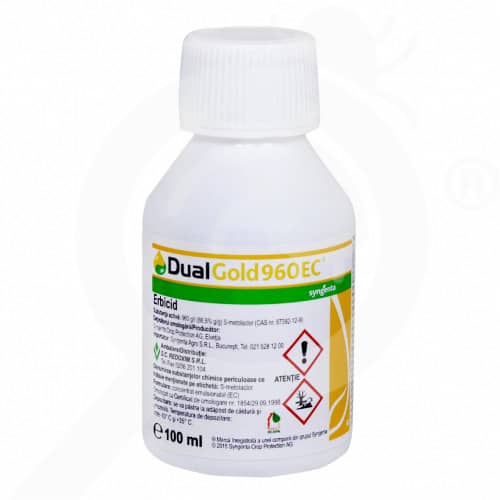
Pre-emergent control
Pre-emergent herbicides applied at planting eliminate the first weed cohort before competition begins, delivering a clean crop stand through the critical first 4 weeks. A well-applied pre-emergent programme reduces hand weeding labour costs by 60-80% across the season.
Post-emergent rescue
Selective post-emergent herbicides applied between the 2-leaf and 6-leaf crop stage remove established weed populations when pre-emergent applications were missed or failed. Our post-emergent range covers broadleaf, grass and sedge species across maize, wheat and bean systems.
Striga management
Striga wilt parasitises maize and sorghum roots before it emerges, making post-emergence control ineffective. Our three-component programme delivers 30-60% yield recovery in infested fields through imazapyr seed treatment, pre-emergent soil herbicides and Striga-tolerant variety selection.
Pre-emergent herbicides eliminate the most damaging weed cohort.
The first weed cohort emerging alongside the crop in the initial 2-4 weeks causes the majority of season-long yield loss in annual crops. Pre-emergent herbicides including S-metolachlor (Dual Gold) and metribuzin, applied within 3 days of planting on moist soil, create a soil barrier that stops weed germination before competition begins. A well-applied pre-emergent programme reduces hand weeding labour requirements by 60-80% and prevents the early weed canopy closure that suppresses yield potential before the crop even establishes. Jos•Hansen programmes Dual Gold SC as the pre-emergent standard across maize and bean systems in Kenya and Tanzania.

Selective post-emergent actives correct missed pre-emergent windows.
When pre-emergent applications are delayed by dry soils or logistical constraints, broadleaf and grass weeds can establish a competition advantage that persists for the rest of the season. Jos•Hansen selective post-emergent programmes applied between 2-leaf and 6-leaf crop stage remove established weed populations without crop damage when applied within label specifications. Products are selected to cover the specific weed flora identified in each field, avoiding blanket non-selective actives that affect replant options and carry residue risks into subsequent crops. Nicosulfuron, 2,4-D and bromoxynil are standard post-emergent actives across our staple crop herbicide programmes.
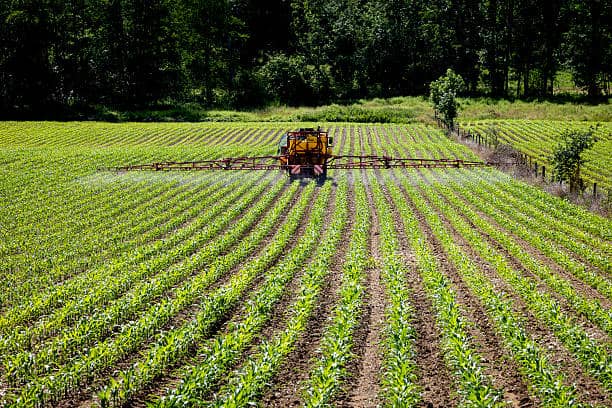
Striga management requires a pre-emergence intervention strategy.
Striga wilt, the most damaging parasitic weed in African smallholder maize and sorghum, attaches to host roots below the soil surface and is established before it emerges visually. Post-emergence Striga control delivers minimal yield benefit because root damage has already occurred before the shoot appears above ground. Jos•Hansen Striga management programmes combine imazapyr seed treatment technology, pre-emergent soil herbicides and Striga-tolerant variety selection as the three-component approach required for economic Striga control. Field trials across Kenya and Tanzania confirm yield recoveries of 30-60% in Striga-infested fields under this integrated programme versus untreated controls.
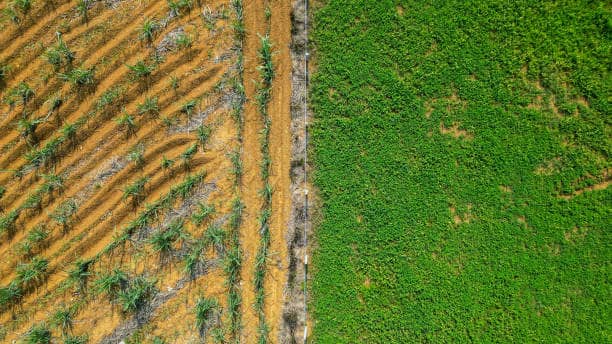
Technical specifications.
Chemistry classes
Chloroacetamide / triazine / sulfonylurea / glyphosate / aryloxyphenoxy-propionate
Application timing
Pre-emergent (within 3 days of planting) or post-emergent (2 to 6-leaf stage)
Key weed targets
Annual grasses, broadleaf weeds, sedges, Striga wilt in maize and sorghum
Crop registrations
Maize, wheat, sorghum, beans, sunflower, soybean, potatoes, tomatoes
Registration
KEPHIS, TPRI and PCPB registered products for Kenya, Tanzania and Uganda
Programme support
Weed flora assessment and programme recommendation by agronomist before application
Maximum yield reduction in uncontrolled weed pressure scenarios in East African rain-fed maize systems. The loss that a timely pre-emergent programme prevents
Reduction in season-long hand weeding labour cost achievable with a well-applied pre-emergent programme versus no herbicide treatment in smallholder maize
Yield recovery in Striga-infested maize fields under the Jos•Hansen three-component integrated Striga management programme versus untreated controls
Why Weed.
Season-long weed control
A pre-emergent programme applied at planting delivers weed-free crop establishment through the critical first 4 weeks, preventing the competition that drives 80% of season-long yield loss.
Striga-specific programme
Our imazapyr seed treatment plus pre-emergent plus resistant variety combination is the only integrated approach shown to deliver consistent economic Striga control across East Africa.
Weed flora-matched selection
Jos•Hansen agronomists match herbicide selection to the actual weed flora of each field, preventing misapplication that causes crop damage through incorrect active ingredient choice.
Registered in-country
All programme actives are registered with KEPHIS, TPRI or PCPB, ensuring legal compliance and correct label recommendations in Kenya, Tanzania and Uganda.
Partner with Jos Hansen
Talk to our procurement and operations teams about your next infrastructure, healthcare or scientific deployment.