
Land & Water Remediation Technology
In-situ and ex-situ remediation systems for contaminated land and groundwater restoration to regulatory compliance standards.
Contaminated land costs grow with every year of inaction.
Contaminated land liability grows with time as contaminants migrate deeper into soil profiles, spread laterally with groundwater flow and accumulate in food chains through crop uptake. Early intervention with appropriate remediation technology minimises migration and total programme cost. Jos•Hansen provides technology selection expertise, remediation equipment supply and technical management to take contaminated sites from initial investigation through regulatory closure, with in-situ approaches that are 40-70% cheaper than excavation and disposal.
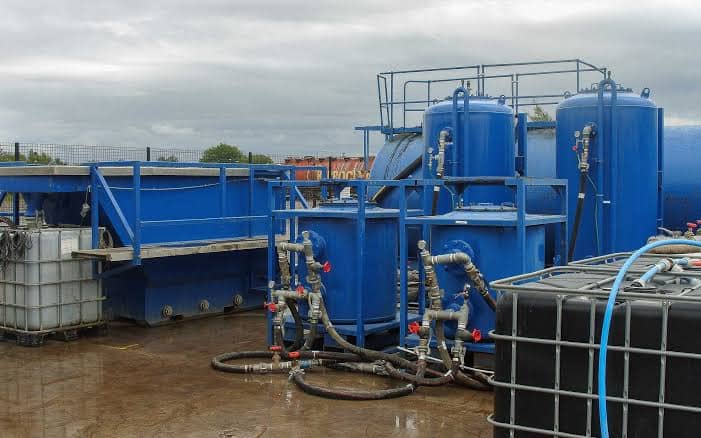
In-situ treatment
In-situ chemical oxidation, biostimulation, permeable reactive barriers and pump-and-treat systems treat contamination in place without excavating contaminated material, reducing total remediation cost by 40-70% versus excavation and disposal.
Risk-based closure
Risk-based remediation targets defined by contaminant-pathway-receptor linkage modelling ensure that remediation effort is proportionate to actual health and environmental risk, avoiding over-remediation of sites where exposure pathways are managed.
Regulatory closure
Jos•Hansen manages preparation of remediation completion reports and risk assessments satisfying NEMA and national environment agency requirements for formal site closure and removal from contaminated land registers.
In-situ chemical oxidation treats organic contaminants without excavation.
Phytoremediation using hyperaccumulating plant species extracts heavy metals from shallow contaminated soils through plant uptake during the growing season, with harvested biomass removed and disposed of as hazardous waste. This approach is cost-effective for large-area shallow contamination at former mining, smelting and agricultural chemical storage sites where excavation at scale is impractical. Jos•Hansen provides plant species selection, soil amendment programme design and harvest schedule management for phytoremediation programmes.
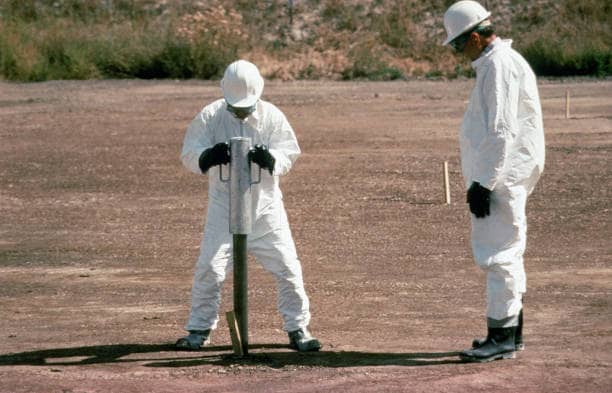
Biostimulation harnesses indigenous microorganisms to degrade contaminants.
Indigenous soil and groundwater microorganisms capable of degrading petroleum hydrocarbons, chlorinated solvents and other organic contaminants are present at most contaminated sites but limited by availability of oxygen, nutrients or electron donors. Biostimulation injects oxygen release compounds, electron donor substrates or nutrient amendments to accelerate indigenous biodegradation to rates 10-100 times higher than monitored natural attenuation, achieving regulatory closure in months rather than decades. Bioaugmentation with cultured specialist microorganism consortia supplements indigenous populations where natural biodegradation rates are inadequate.
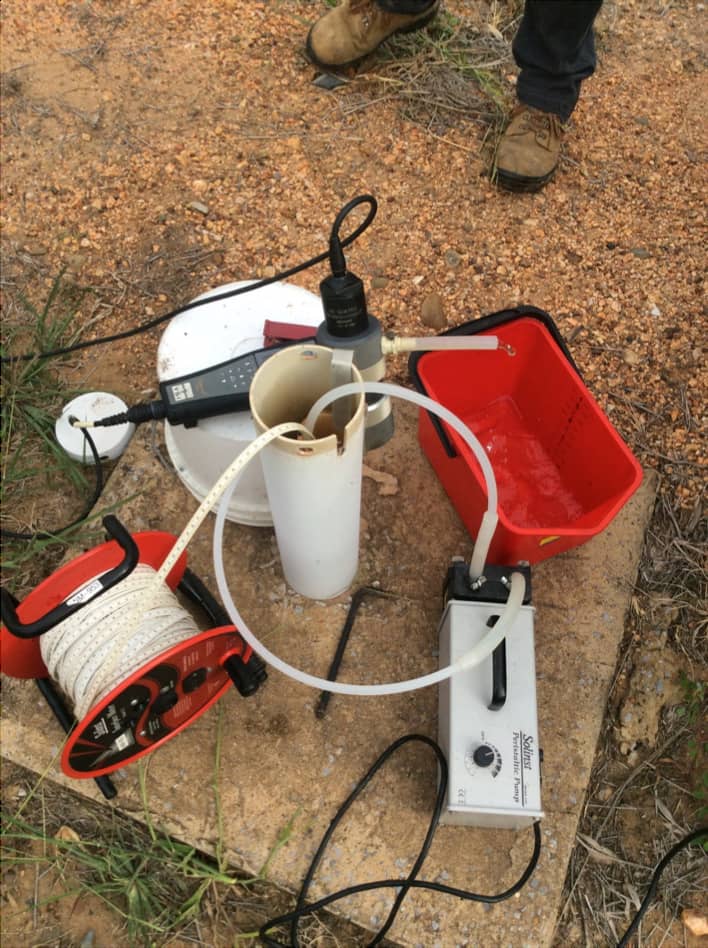
Phytoremediation uses metal-accumulating plants for low-cost heavy metal removal.
Phytoremediation using hyperaccumulating plant species extracts heavy metals from shallow contaminated soils through plant uptake during the growing season, with harvested above-ground biomass removed from the site for disposal as hazardous waste. Phytoremediation is cost-effective for large-area shallow contamination at former mining, smelting and agricultural chemical storage sites where excavation is impractical due to scale. Jos•Hansen provides plant species selection, soil amendment programme design and harvest schedule management for phytoremediation programmes.
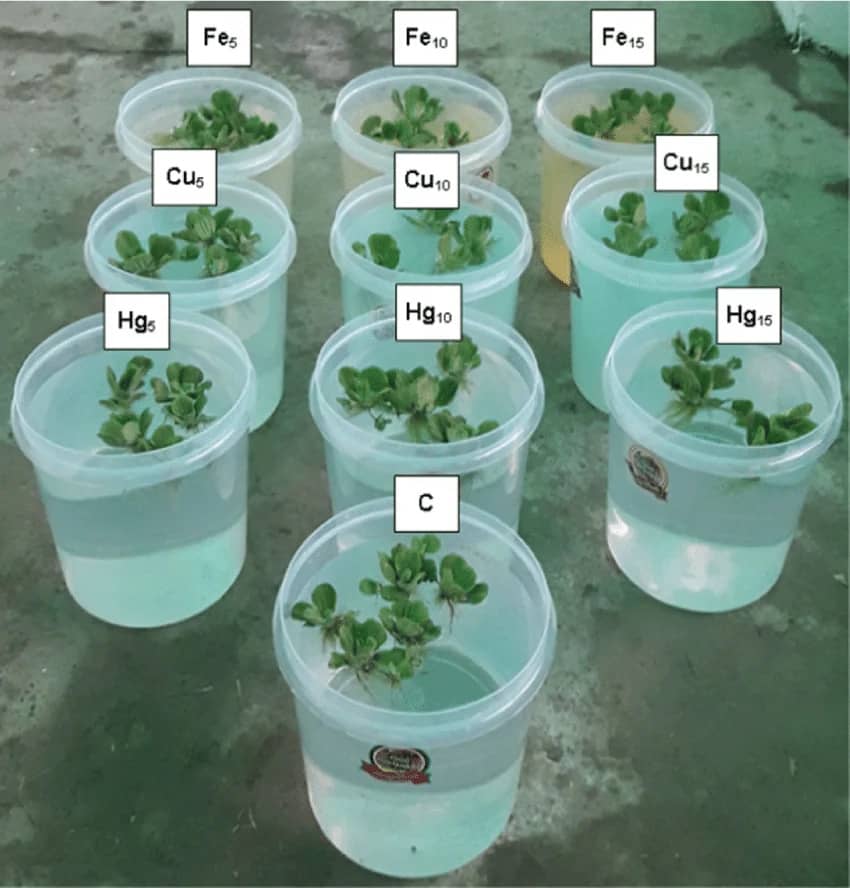
Technical specifications.
In-situ technologies
ISCO, biostimulation, bioaugmentation, PRB, pump-and-treat, air sparging
Ex-situ technologies
Soil washing, thermal desorption, solidification/stabilisation, bioremediation cell
Phytoremediation
Metal-accumulating species for Zn, Cd, As, Pb, Ni at shallow soil depths
Contaminants
TPH, BTEX, chlorinated solvents, PAHs, heavy metals, pesticides, PCBs
Design deliverable
Conceptual site model, remedial action plan, monitoring programme, closure report
Regulatory
NEMA Kenya/Uganda/Tanzania; EA Tanzania; risk-based closure criteria
Cost reduction of in-situ remediation versus excavation and off-site disposal of contaminated soil on typical East African industrial and mining sites
Acceleration of biodegradation rates by biostimulation versus monitored natural attenuation, achieving regulatory closure in months rather than decades
National Environment Management Act compliance framework applied to all remediation programme designs and closure documentation for East African regulatory submissions
Why Land.
Proportionate risk-based approach
Risk-based remediation targets ensure treatment effort is proportionate to actual health and environmental risk, avoiding costly over-remediation where exposure pathways are managed.
In-situ cost advantage
In-situ approaches eliminate excavation, transport and disposal costs that typically account for 50-70% of total ex-situ remediation programme cost.
Full programme management
Jos•Hansen manages the complete remediation lifecycle from conceptual site model through treatment, monitoring, regulatory closure report and NEMA submission.
Low-impact phytoremediation
Phytoremediation using metal-accumulating plants offers low-cost, low-disturbance heavy metal removal at large-area shallow contamination sites impractical for excavation.
Partner with Jos Hansen
Talk to our procurement and operations teams about your next infrastructure, healthcare or scientific deployment.