
Crop Fungicide Programmes
Registered fungicide protocols for foliar and soil-borne crop diseases.
Fungal disease destroys an estimated 20% of crop value across East Africa every season.
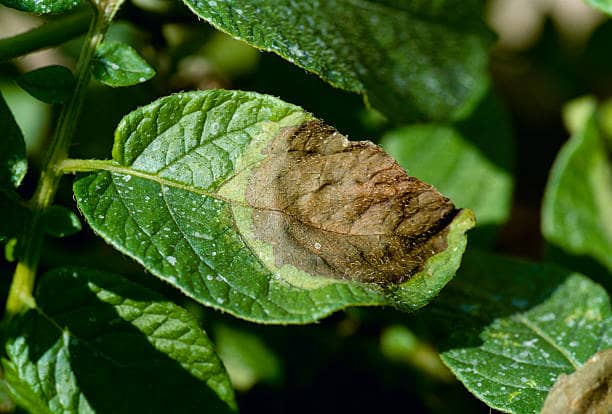
Fungal diseases including late blight, grey mold, Fusarium wilt and rust collectively destroy an estimated 20% of crop value across East African farming systems annually. Jos•Hansen supplies a curated fungicide portfolio spanning SDHI, strobilurin, triazole and carbamate chemistry classes, covering all major crop disease threats registered in the target markets. Every programme is designed by Jos•Hansen agronomists around the specific crop calendar, disease pressure profile and export residue requirements of each growing region.
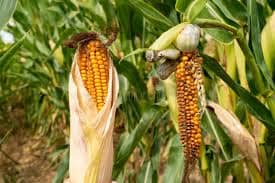
Broad control
SDHI and strobilurin actives deliver 14-21 day protection windows against the full spectrum of foliar fungal pathogens. A single premixed formulation covers late blight, powdery mildew and grey mold in one application across potato, tomato and cucurbit crops.
Resistance managed
Every Jos•Hansen fungicide programme sequences SDHI, strobilurin and triazole chemistry in rotation, preventing the single-class selection pressure that drives resistance build-up. Rotation schedules are built to FRAC recommendations for each target pathogen and crop system.
Residue compliant
Export-market crops require fungicide programmes meeting EU and UK maximum residue limits. Our programme selection accounts for harvest intervals and residue decline data, keeping export consignments compliant with destination market MRL requirements.
SDHI and strobilurin mixtures deliver the longest protection windows.
Succinate dehydrogenase inhibitor (SDHI) and strobilurin combinations provide 14-21 day protectant and curative activity against the major fungal pathogens of African horticultural and staple crops. These premixed formulations coat the leaf surface and penetrate leaf tissue, stopping spore germination and mycelial growth at multiple biochemical points simultaneously. Jos•Hansen programmes Amistar Top, Comet and Luna Experience as core products across potato, tomato, maize, bean and cucurbit systems in East Africa. Application is recommended at early disease onset under a preventive programme, not after visible lesion development when only curative rescue is possible.
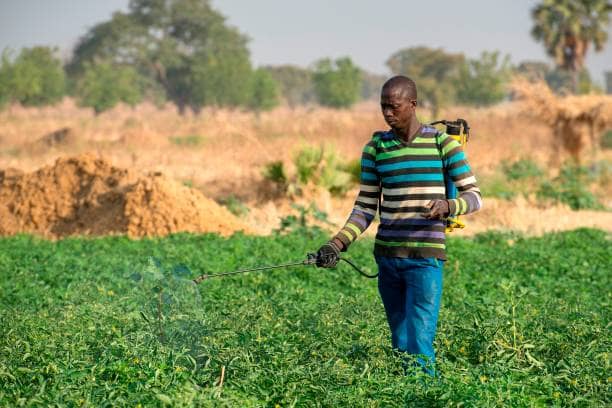
Rotation through chemistry classes prevents resistance build-up.
Spraying a single chemistry class repeatedly in the same season selects for resistant strains faster than any other management practice. Jos•Hansen fungicide rotation programmes sequence SDHI actives against triazoles, alternating with multi-site contact fungicides such as mancozeb or chlorothalonil to eliminate resistant escapes between systemic applications. Rotation schedules follow FRAC group recommendations specific to each pathogen, updated as resistance monitoring data from regional trials becomes available each season. The result is longer active chemistry life and sustained programme performance across successive seasons without chemistry replacement.
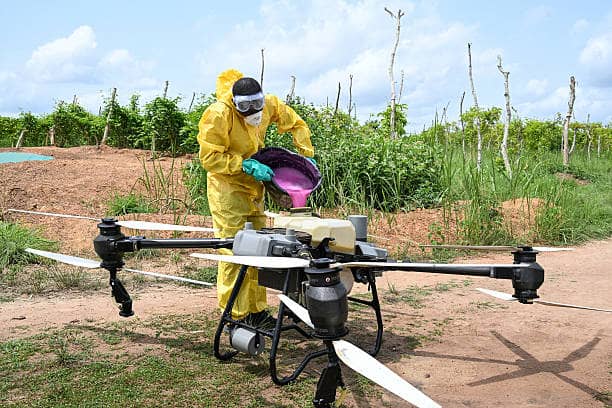
Soil-borne disease control is applied at planting, not at emergence.
Fusarium crown rot, Pythium damping-off and Rhizoctonia solani establish in the soil before crop emergence and cause losses that no foliar programme can recover. Jos•Hansen supplies registered soil fungicide treatments for seed dressing, furrow application and pre-plant soil incorporation, applied as part of an integrated soil health programme. Products are selected for the specific soil-borne pathogen complex identified in the target field, not as a blanket soil treatment applied without diagnostic basis. Soil-borne disease control is most cost-effective when combined with soil sampling data from the previous season to identify the primary pathogen complex present.
Technical specifications.
Chemistry classes
SDHI / strobilurin / triazole / carbamate / multi-site contact
Key disease targets
Late blight, early blight, grey mold, Fusarium, powdery mildew, rust, downy mildew
Application timing
Preventive at disease onset. Curative within 72 hours of infection period
Residue compliance
EU/UK MRL-compliant programme variants available on request
Registration
KEPHIS, TPRI and PCPB registered products for Kenya, Tanzania and Uganda
Programme support
Agronomist-guided FRAC rotation plan supplied with every programme
Estimated proportion of East African crop value destroyed by fungal disease annually. The addressable loss a structured fungicide programme is designed to recover each season
Maximum protection window per application delivered by SDHI plus strobilurin premix formulations against key foliar fungal pathogens in horticultural crop field trials
Distinct FRAC chemistry class groups sequenced in a Jos•Hansen rotation programme, preventing the single-class selection pressure that accelerates fungicide resistance
Why Crop.
Broad-spectrum efficacy
SDHI and strobilurin combinations deliver 14-21 day protection windows against late blight, grey mold, powdery mildew and rust in a single application across multiple crop systems.
Resistance managed
Rotation schedules sequencing 4+ FRAC chemistry classes prevent resistance selection in pathogen populations, maintaining programme efficacy across successive seasons.
Agronomist-guided
Jos•Hansen agronomists design site-specific rotation programmes for each crop system, updated from regional resistance monitoring data each season.
Registered in-country
All recommended actives are registered with KEPHIS, TPRI or PCPB before supply, ensuring legal compliance and correct label recommendations in all supply territories.
Partner with Jos Hansen
Talk to our procurement and operations teams about your next infrastructure, healthcare or scientific deployment.