
Connected Soil Sensor Networks
Real-time IoT soil moisture, temperature and nutrient monitoring networks for precision irrigation scheduling and crop management.
Irrigating on a calendar schedule over-applies water on 60% of farm days and under-applies it on 20%.
Calendar-based irrigation scheduling applies water on a fixed timetable regardless of actual soil moisture status, resulting in over-irrigation that leaches nutrients, promotes root disease and wastes pumping cost on most days, and under-irrigation stress at the crop growth stages when moisture deficit causes the most damage. Jos•Hansen connected soil sensor networks measure real-time volumetric water content, soil temperature and electrical conductivity at multiple depths, delivering continuous data to a cloud dashboard that triggers irrigation scheduling based on actual soil status rather than the calendar. Sensor data integrates with weather station feeds and drone survey outputs to build a complete picture of field water balance that precision irrigation management requires.
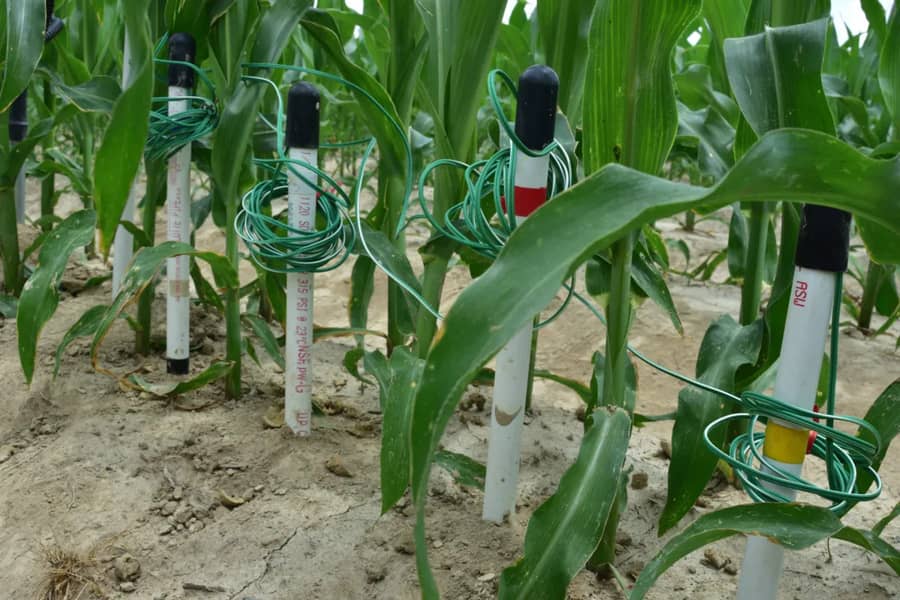
Real-time moisture
Capacitance sensors measure volumetric water content at 10 cm depth intervals from the surface to 90 cm, tracking the wetting front progression during irrigation and depletion rate between events. Threshold-based alerts notify the irrigation manager when soil moisture in the root zone drops below the refill point, triggering irrigation before crop water stress occurs.
Nutrient tracking
Electrical conductivity sensors measure soil solution concentration as a proxy for soluble nutrient status, detecting dilution during heavy rainfall events or leaching during over-irrigation. EC trend data guides fertigation concentration adjustments to maintain target nutrient levels in the root zone throughout the crop cycle.
Cloud dashboard
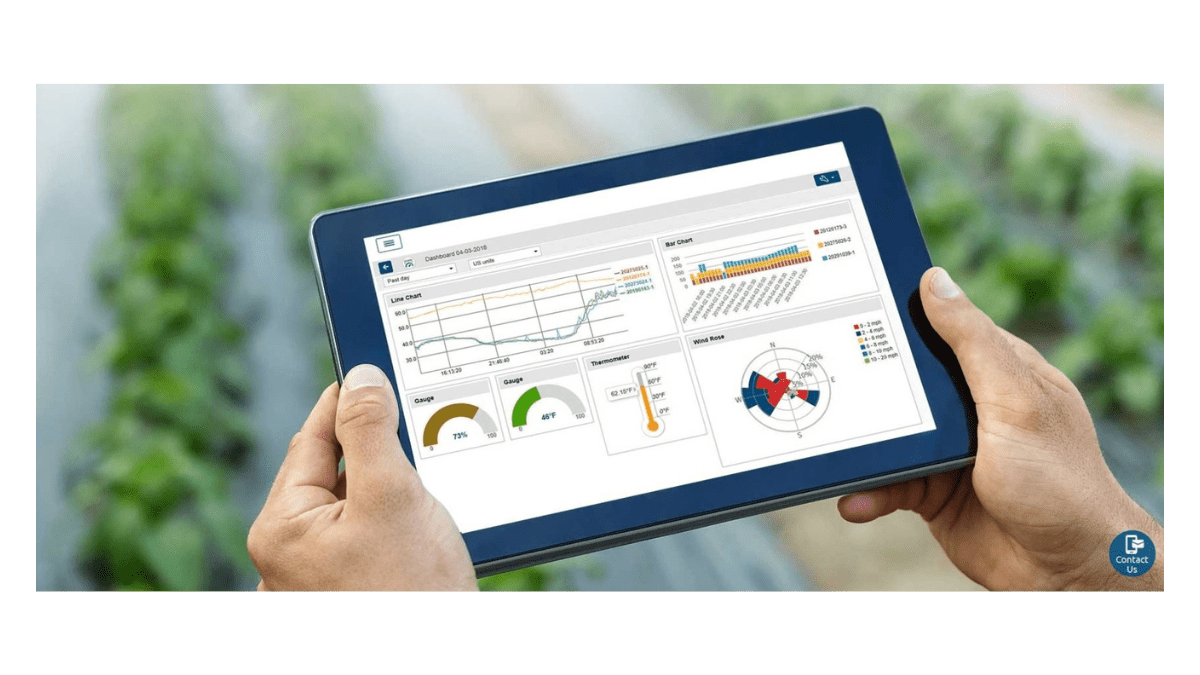
Sensor readings update every 15-30 minutes to a cloud dashboard accessible from any device, with configurable alert thresholds for moisture, temperature and EC exceedances. Historical data is archived per sensor station per field block for seasonal analysis and irrigation programme review.
Soil moisture data replaces calendar irrigation with demand-driven scheduling.
Capacitance-based soil moisture sensors measure volumetric water content at defined depth intervals, providing a continuous real-time measurement of the root zone water reserve that calendar schedules cannot deliver. Irrigation events are triggered when the root zone moisture drops to a defined refill threshold specific to the crop and growth stage, ensuring water is applied only when and at the volume the soil and crop actually require. Jos•Hansen sensor installation programmes include sensor placement optimisation based on soil profile data, refill threshold calibration for each crop system, and agronomist review of the first 4-week data record to validate threshold settings before handing the dashboard to the farm team. Trial data from irrigated commercial vegetable farms using demand-triggered scheduling shows water savings of 20-35% versus fixed-interval calendar programmes with no reduction in yield or crop quality.
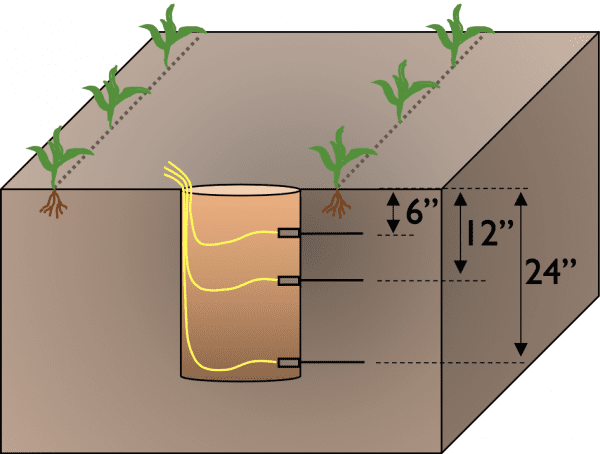
Multi-depth profiling reveals root development and drainage behaviour.
Sensors at multiple depth intervals from 10 cm to 90 cm track the wetting front movement during irrigation and the depletion pattern during crop uptake, revealing which depth zone contains the active root mass at each crop stage. In sandy soils with rapid drainage, multi-depth profiling detects deep percolation losses below the root zone that waste irrigation water and leach soluble nutrients below the reach of the crop. In clay soils with slow infiltration, depth profiling prevents surface saturation and root zone anaerobia caused by applying water faster than the soil can absorb. This depth profile data informs both irrigation rate and irrigation frequency decisions across the crop cycle, improving both water use efficiency and root health outcomes.
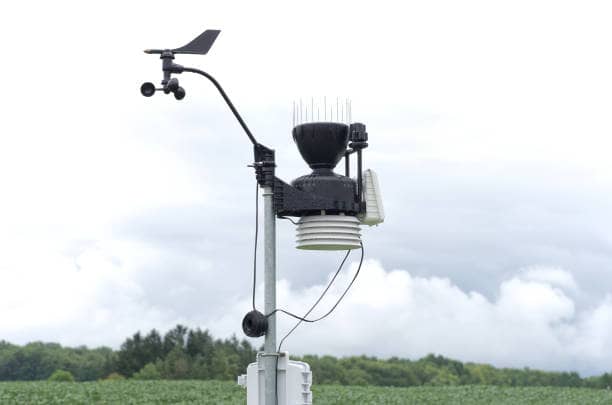
Weather station integration completes the field water balance picture.
Soil moisture data describes the current state of the soil water reserve, but does not predict how fast that reserve will deplete. Integration with on-farm weather stations measuring evapotranspiration rate allows the irrigation scheduler to project the time to refill point based on current crop ET demand, enabling proactive scheduling that avoids reaching the stress threshold rather than reacting after it is crossed. Jos•Hansen field weather stations measure temperature, humidity, solar radiation, wind speed and rainfall, feeding an FAO Penman-Monteith ET calculation that combines with soil moisture readings to produce daily crop water balance summaries. Automated irrigation controller integration is available to translate balance outputs directly into pump start and stop commands without manual intervention.
Technical specifications.
Sensor technology
Capacitance sensors for VWC; EC sensors for soil solution conductivity; temperature probes
Measurement depths
10, 20, 30, 60, 90 cm configurable per installation
Data frequency
15-minute intervals standard; 5-minute intervals for high-resolution programmes
Connectivity
4G cellular, LoRaWAN or on-farm Wi-Fi depending on field coverage
Dashboard access
Cloud platform with mobile app, alert thresholds and data export
Power
Solar-charged battery with 90+ day backup in overcast conditions
Water savings achievable on irrigated commercial vegetable farms using demand-triggered soil moisture scheduling versus fixed-interval calendar irrigation programmes
Maximum root zone monitoring depth covered by multi-depth sensor profiling, capturing drainage losses below the root zone and confirming root development at each crop growth stage
Data update interval for real-time soil moisture and EC readings, providing continuous visibility of root zone water status between irrigation events and during rainfall
Why Connected.
Demand-triggered scheduling
Irrigation is triggered by actual root zone moisture deficit, not a calendar, eliminating over-irrigation waste on days when soil moisture is already adequate.
Drainage loss detection
Multi-depth profiling identifies when irrigation water is passing below the root zone, preventing leaching of soluble nutrients and wasted pumping cost.
Automated control option
Weather station ET integration enables automated pump control that responds to crop water demand in real time without manual scheduler intervention.
Root health protection
Continuous EC monitoring detects salt build-up and over-irrigation in clay soils before root zone anaerobia or toxicity causes crop damage.
Partner with Jos Hansen
Talk to our procurement and operations teams about your next infrastructure, healthcare or scientific deployment.