
Solar & Renewable Energy Systems
Off-grid and grid-tied solar photovoltaic systems with battery storage for health facilities, communities and commercial agricultural operations.
Off-grid solar eliminates diesel generation costs and recovers capital in 3-5 years.
Diesel generators provide backup power across rural Africa at a cost of USD 0.40-0.80 per kWh, 5-10 times higher than grid electricity and 20-30 times higher than solar generation cost at today’s module prices. The capital cost of solar-plus-storage systems has fallen 90% since 2010, making off-grid solar decisively favourable over diesel for loads above 2 kW across most East African locations. Jos•Hansen designs, supplies and commissions solar PV, battery storage and mini-grid systems based on an energy audit of each specific facility’s load profile.
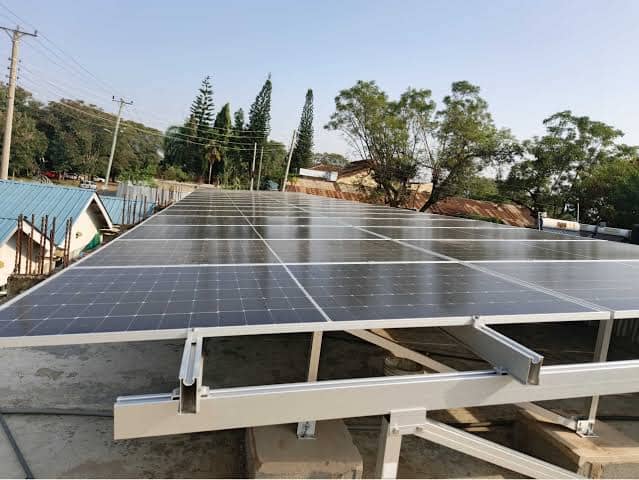
3-5 yr payback
Correctly sized solar-plus-storage systems for rural East African health facilities typically achieve payback in 3-5 years from eliminated diesel costs, providing 20+ years of net-positive returns on investment.
99% availability
Lithium iron phosphate battery storage sized for 3 days of facility load provides 99%+ power availability, maintaining healthcare operations, vaccine cold chain and irrigation pumping through extended overcast periods.
Load-matched design
Every system design begins from an energy audit of the specific facility, sizing PV capacity and battery storage to the actual load profile rather than generic rules-of-thumb that result in over- or under-sizing.
Energy audit-based design eliminates over- and under-sizing.
Agricultural solar applications include borehole and irrigation pump systems (0.5-30 kW), vaccine and produce cold stores, dairy cooling systems and crop processing equipment, each with load profiles differing significantly from health facility or residential systems. Jos•Hansen agricultural solar designs account for seasonal variation in solar resource, crop water demand and processing load, ensuring adequate capacity during peak-demand periods. Grid-tied systems with export capability are specified where grid connection is available, maximising system utilisation and reducing payback period.
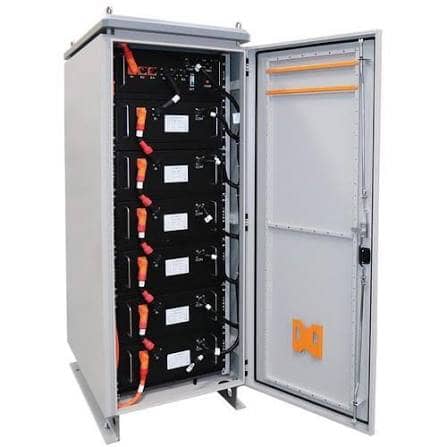
LFP battery storage provides safe, long-cycle-life backup power.
Lithium iron phosphate chemistry offers the best balance of energy density, cycle life, safety and temperature tolerance for East African solar applications. LFP batteries rated for 3,000-6,000 charge cycles at 80% depth-of-discharge provide 8-16 years of operational life under daily cycling conditions, compared to 300-800 cycles for lead-acid batteries in the same application. LFP batteries do not present the thermal runaway and fire risk associated with NMC and NCA lithium chemistries, making them appropriate for installation in occupied buildings without specialist fire suppression infrastructure.
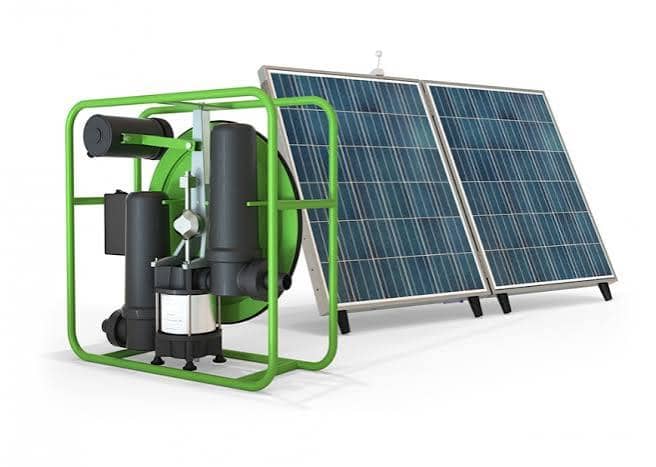
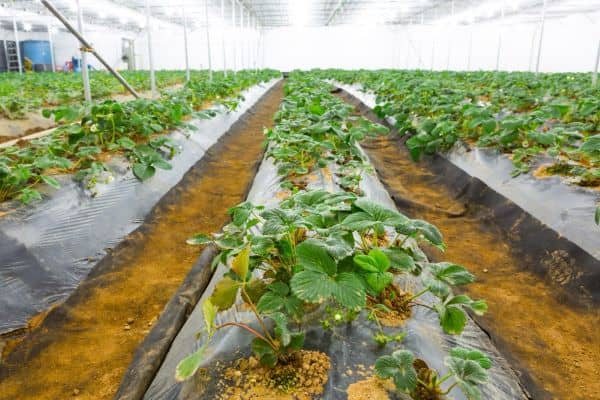
Agricultural solar systems power irrigation, cold storage and processing.
Agricultural solar applications include solar-powered borehole and irrigation pump systems, vaccine and produce cold stores, dairy cooling systems and crop processing equipment. Jos•Hansen agricultural solar designs account for seasonal variation in solar resource, crop water demand and processing load, ensuring that system capacity is adequate during peak-demand periods without excessive oversizing for low-demand periods. Grid-tied systems with export capability are specified where grid connection is available, maximising system utilisation and reducing payback period.
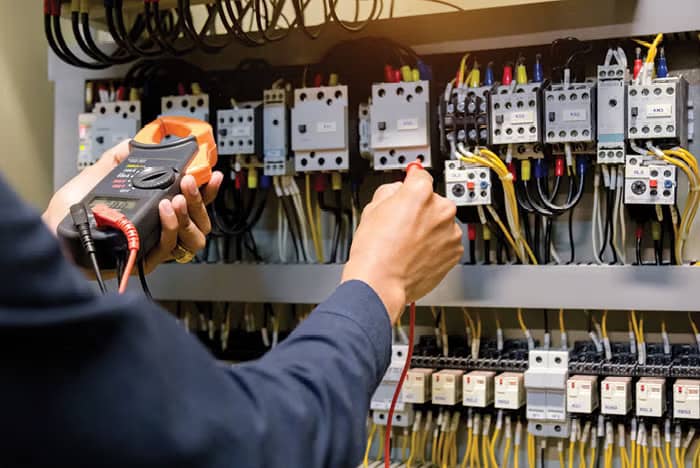
Technical specifications.
PV range
2-500 kW residential, commercial and mini-grid configurations
Battery chemistry
Lithium iron phosphate (LFP) 3,000-6,000 cycles; lead-acid where cost is primary
Inverters
Victron, SMA, Schneider hybrid grid-tie and off-grid configurations
Backup autonomy
1-5 day battery backup standard; sized to specific load profile
Agricultural apps
Borehole pumps, irrigation, cold stores, dairy cooling, processing equipment
Design deliverable
Energy audit, system design, BOQ, installation supervision, commissioning
Solar electricity cost reduction versus diesel generation for rural East African facilities on a levelised cost basis over 20-year system life
Capital payback period from diesel cost savings for correctly sized solar-plus-storage systems at rural health facilities and commercial agricultural operations
Charge cycles rated lifetime of lithium iron phosphate batteries, providing 16+ years of daily cycling life versus 300-800 cycles for equivalent lead-acid systems
Why Solar.
Energy audit foundation
Energy audit-based design eliminates over- and under-sizing, ensuring the system meets actual load requirements and achieves the projected payback period.
Diesel cost elimination
Solar generation at USD 0.02-0.05 per kWh levelised cost eliminates diesel generation at USD 0.40-0.80 per kWh, recovering system cost in 3-5 years.
LFP safety and longevity
Lithium iron phosphate batteries provide 16+ year operational life and eliminate the thermal runaway risk associated with other lithium battery chemistries.
Carbon reduction quantified
Solar generation displacing diesel produces quantifiable GHG emission reductions for carbon reporting, ESG disclosures and carbon credit programmes.
Partner with Jos Hansen
Talk to our procurement and operations teams about your next infrastructure, healthcare or scientific deployment.