
Tissue Culture Planting Material
Certified disease-free banana, sugarcane and tree crop plantlets produced through tissue culture for commercial plantation establishment.
Banana Xanthomonas wilt and Fusarium wilt spread through infected suckers. Tissue culture breaks the cycle at planting.
Tissue culture propagation produces genetically uniform, disease-free planting material from meristem tissue under sterile laboratory conditions, eliminating the primary route of disease spread in vegetatively propagated crops. Jos•Hansen supplies certified tissue culture banana, sugarcane and tree crop plantlets produced by KEPHIS-accredited laboratories, covering the most commercially important varieties for East African production systems. Tissue culture planting material establishes faster, produces more uniformly and carries no soil-borne or systemic pathogens from the mother plant, giving commercial plantations a disease-free start that conventional sucker-based planting cannot guarantee.
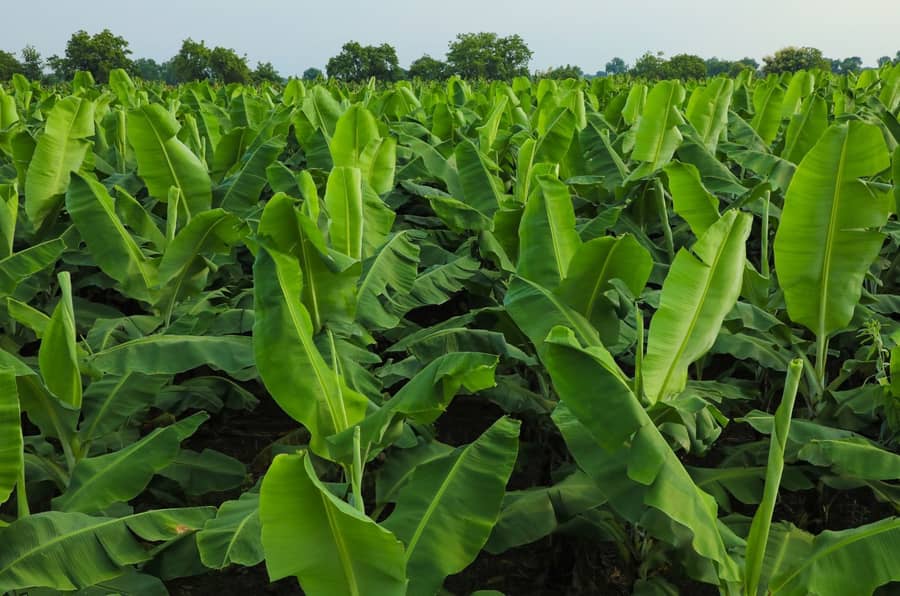
Disease-free start
Tissue culture production under sterile conditions eliminates banana Xanthomonas wilt, Fusarium wilt and nematode contamination from the planting stock, breaking the disease cycle that persists indefinitely through infected suckers. A disease-free planting stock is the only reliable starting point for commercial banana production in areas where these diseases are endemic.
Genetic uniformity
All plantlets derived from a single mother plant meristem are genetically identical, producing uniform plant height, bunch weight, maturity and fruit quality across the plantation block. Uniformity allows synchronised management, predictable harvest scheduling and consistent produce quality for formal market supply.
Faster establishment
Tissue culture banana plantlets establish their root systems more rapidly than conventional suckers and reach bunch production stage 6-8 weeks earlier due to vigorous acclimatised root development. Earlier first harvest accelerates the return on plantation investment in the critical first production cycle.
Banana Xanthomonas wilt control starts at the planting material stage.
Banana Xanthomonas wilt has spread across East Africa through the movement of infected planting material, farm tools and insect vectors, causing complete bunch loss in susceptible plants with no chemical cure available once infection is established. The only effective management strategy begins with certified disease-free planting material that guarantees the plantation is established without the pathogen present at year zero. Jos•Hansen tissue culture banana plantlets are produced from meristem explants tested negative for BXW, Fusarium wilt and banana streak virus under KEPHIS accreditation protocols, with each production batch accompanied by a phytosanitary certificate. Establishing from certified tissue culture material does not eliminate the risk of secondary infection from neighbouring farms, but removes the primary inoculum source that conventional sucker planting consistently introduces.
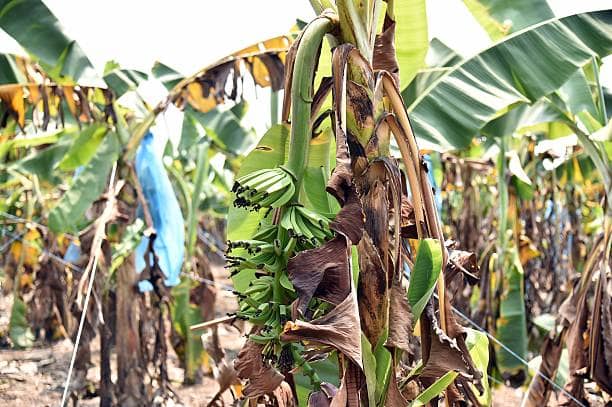
Sugarcane tissue culture prevents ratoon stunting disease spread.
Ratoon stunting disease caused by Leifsonia xyli subsp. xyli is the most economically significant pathogen of sugarcane in East Africa and spreads predominantly through infected sett planting material. Yield losses from ratoon stunting disease in conventionally planted cane average 10-30% across the full production cycle, with losses increasing in successive ratoon cycles as the disease load builds. Jos•Hansen sugarcane tissue culture plantlets are produced from shoot-tip cultures of commercial varieties including N14, KEN81-136 and locally recommended clones, tested negative for ratoon stunting disease before hardening and dispatch. Commercial estates planting tissue culture material as the foundation crop before transitioning to hot-water-treated sett planting for ratoons maintain significantly lower disease loads across the 5-7 year production cycle.
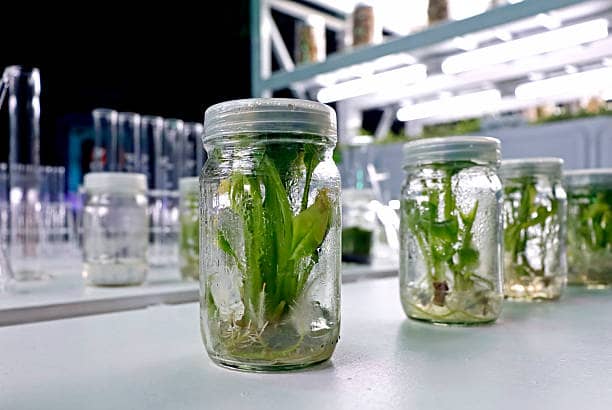
Tree crop plantlets establish faster from acclimatised root systems.
Avocado, macadamia and mango tissue culture or grafted plantlets supplied through the Jos•Hansen planting material programme are produced from selected rootstocks and grafted with commercially tested scion varieties for yield, quality and market acceptability. Grafted tree crop planting material reaches first commercial production 2-3 years earlier than seedling-raised material and produces fruit from grafted scion genetics rather than variable seedling genetics, ensuring consistent quality across the orchard block. Jos•Hansen works with KARLO and accredited nurseries to source certified grafted material in the volumes required for commercial orchard establishment, with variety selection guided by agronomist assessment of altitude, rainfall and target market conditions.
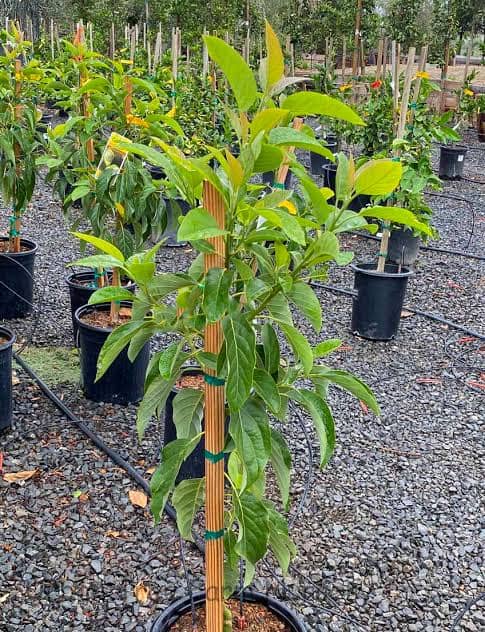
Technical specifications.
Crop species
Banana (Cavendish, Williams, East African highland), sugarcane, avocado, macadamia, mango
Certification
KEPHIS phytosanitary certificate with pathogen screening documentation per batch
Plantlet stage
Hardened acclimatised plantlets in 9 cm pots ready for field establishment
Pathogen screening
BXW, Fusarium wilt, banana streak virus, ratoon stunting disease tested per batch
Minimum order
250 plantlets per variety for commercial orders; trial packs of 50 available
Delivery
Countrywide delivery with planting advisory support on arrival
Earlier first bunch production in tissue culture banana versus conventional sucker planting due to faster root system establishment and more uniform crop development across the block
Average yield loss caused by ratoon stunting disease in conventionally planted sugarcane over the full production cycle, recoverable by planting certified tissue culture material as the foundation crop
Earlier first commercial production from grafted tree crop planting material versus seedling-raised avocado, macadamia and mango, accelerating return on orchard establishment investment
Why Tissue.
Disease-free at planting
Certified pathogen-free material eliminates the primary disease inoculum source that conventional vegetative propagation consistently introduces to new plantings.
Genetic uniformity
Clonal uniformity from tissue culture enables synchronised management, predictable harvest scheduling and consistent produce quality for formal commercial supply.
Faster establishment
Acclimatised root systems and vigorous plantlet development deliver first production 6-8 weeks earlier than conventional sucker planting in banana.
KEPHIS certified
Every batch is accompanied by a KEPHIS phytosanitary certificate with documented pathogen testing results, meeting import and commercial buyer phytosanitary requirements.
Partner with Jos Hansen
Talk to our procurement and operations teams about your next infrastructure, healthcare or scientific deployment.