
Drip Irrigation Systems
Surface and subsurface drip systems delivering water and soluble nutrients directly to the root zone for high-value crop production.
Drip irrigation uses 40-60% less water than overhead systems while delivering 15-25% higher yield through continuous root zone moisture.
Drip irrigation delivers water at a controlled flow rate directly to the root zone of each plant through emitters installed at plant spacing along the laterals, maintaining continuous soil moisture at optimal levels without surface evaporation or canopy wetting losses. Jos•Hansen designs and supplies surface and subsurface drip systems for smallholder, commercial and export horticulture, fresh vegetable, tomato and tree crop production, using Netafim and Rivulis components with full agronomic and hydraulic design support. Fertigation integration allows soluble fertilisers to be injected into the irrigation stream at the precise concentration and timing the crop requires, dramatically improving nutrient use efficiency versus broadcast application.
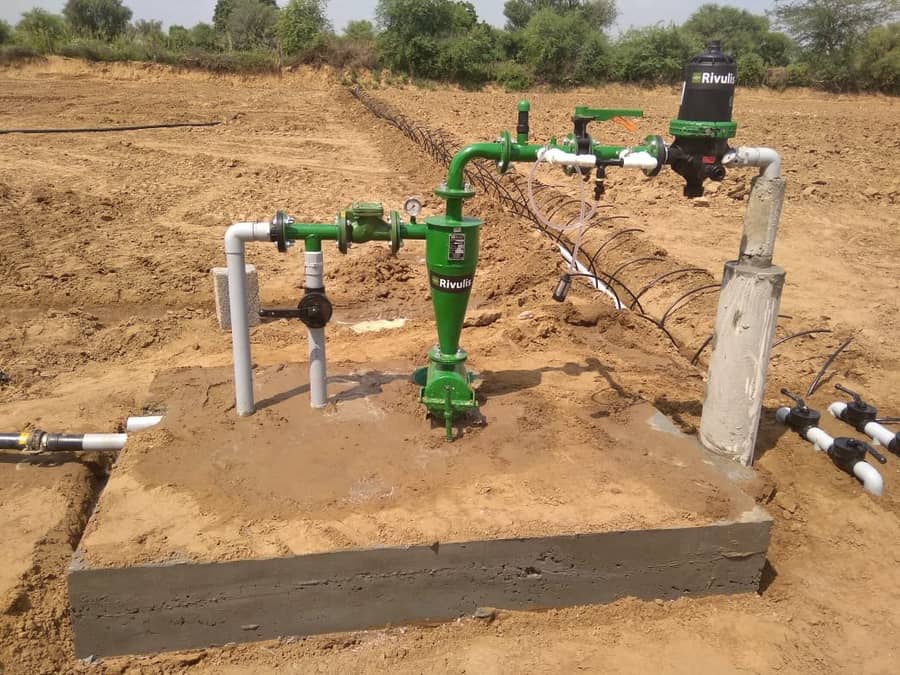
40-60% water saving
Drip systems apply water only at the plant root zone, eliminating evaporation losses from wetted soil surface between plants, runoff from over-application, and deep percolation below the root zone. Water savings of 40-60% versus overhead sprinkler or surface flood irrigation are consistently achieved in East African commercial vegetable and tomato production systems.
Fertigation ready
Soluble fertilisers and biostimulants are injected into the drip stream at the emitter through a venturi or pump injector, delivering nutrients directly to the active root zone at the exact concentration and timing the crop requires at each growth stage. Fertigation through drip reduces total fertiliser volume required by 30-40% versus broadcast application for equivalent crop uptake.
Subsurface option
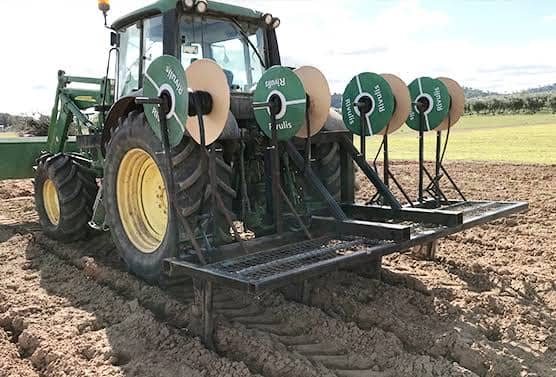
Subsurface drip tape buried at 20-30 cm depth eliminates surface evaporation entirely, prevents tape damage from mechanical cultivation and UV degradation, and keeps the soil surface dry to reduce foliar disease and weed germination. Subsurface tape life extends to 10-15 seasons versus 3-5 seasons for surface-laid tape.
Hydraulic design determines whether the system works or wastes money.
A drip system that is not hydraulically designed for the specific field pressure, elevation variation, lateral length and emitter flow rate will deliver non-uniform water distribution that creates wet and dry zones across the block, defeating the purpose of precision irrigation. Jos•Hansen drip system designs are produced by hydraulic engineers using Netafim NetPlan or equivalent pressure-compensating emitter selection software, specifying mainline diameter, lateral diameter, emitter spacing, flow rate and filtration requirements for each field block individually. Pressure-compensating emitters maintain uniform output across a pressure range of 0.5-4 bar, compensating for elevation changes and lateral length variation without requiring equalisation valves. System commissioning includes pressure testing at all laterals, uniformity measurement and a 2-week agronomist observation period before handover to farm management.
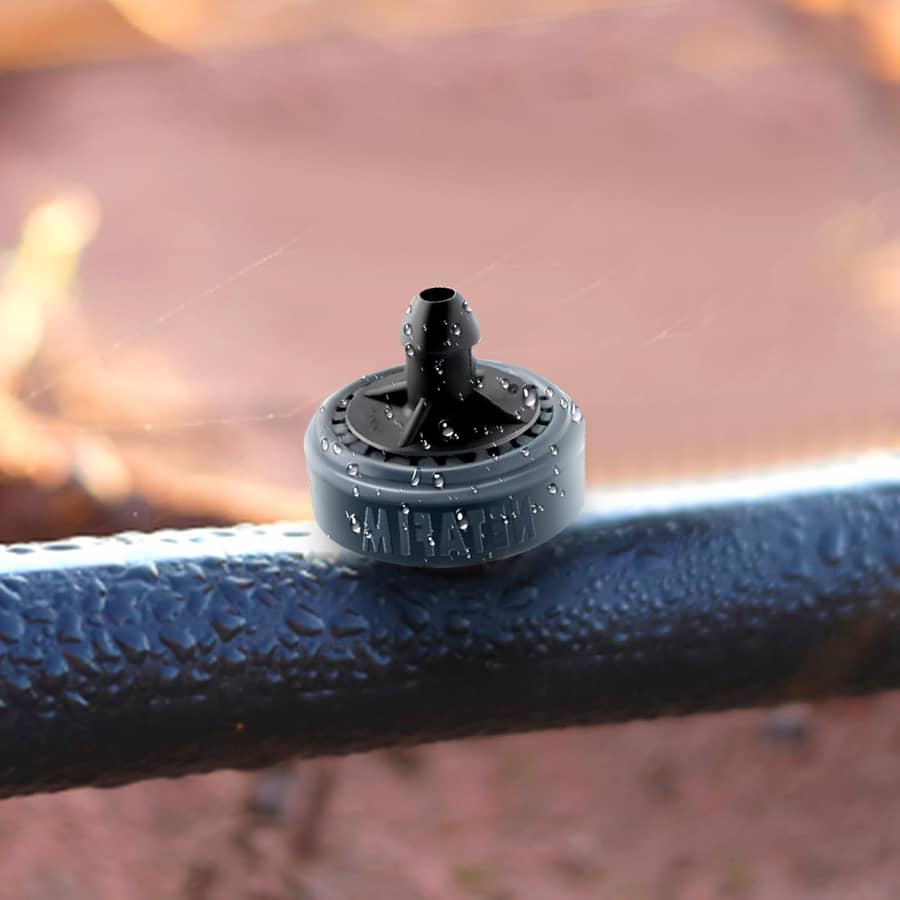
Fertigation through drip replaces broadcast fertilisation with precision delivery.
Soluble NPK fertilisers, calcium nitrate, potassium sulphate and micronutrient chelates injected through the drip system reach the active root zone at the programmed concentration without any surface application waste or leaching below the rooting depth. The fertigation schedule is designed around the crop nutrient demand curve, front-loading potassium during early vegetative growth and shifting the nutrient ratio toward calcium and boron at fruit set. Nutrient injection is controlled by an automated fertigation controller that sequences irrigation and injection phases, records total nutrient volume applied per event, and adjusts injection concentration based on leaf tissue test results at mid-season. Fertigation programme design and mid-season tissue test review are included in Jos•Hansen drip system support programmes.
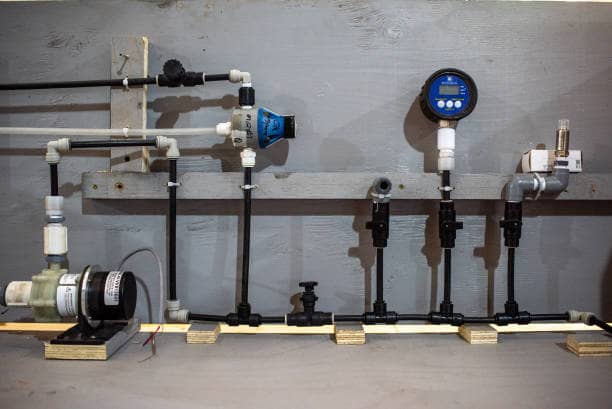
Filter maintenance determines drip system longevity and performance.
Drip emitters clog when irrigation water contains suspended solids, biological slime, calcium carbonate deposits or iron oxide particles, and a clogged emitter creates a dead plant that cannot be identified without walking every lateral. Jos•Hansen drip system designs specify sand media, disc and screen filtration sized to the water source quality and emitter flow rate, with automatic backwash programmed to the turbidity level of the source water. Water quality analysis is conducted at commissioning to identify pH, EC, calcium carbonate and iron levels that require acid injection or other water treatment before the filtration train. Annual maintenance programmes include filter media replacement, lateral flushing, emitter uniformity testing and end-cap inspection to maintain the system performance specified at design stage.
Technical specifications.
Emitter types
Pressure-compensating inline, on-line button, subsurface drip tape
Emitter flow rates
0.6, 1.0, 1.6, 2.0, 3.5 L/hr standard range; custom rates available
Operating pressure
0.5-4.0 bar for pressure-compensating emitters
Filtration
Sand media, disc and screen filtration specified per water source quality analysis
Fertigation
Venturi or pump injector integration with automated fertigation controller
Design service
Full hydraulic design, commissioning and 12-month agronomic support included
Water saving achieved with drip irrigation versus overhead sprinkler or surface flood irrigation in commercial East African tomato and vegetable production systems
Reduction in total fertiliser volume required when nutrients are delivered through drip fertigation versus broadcast granular application, for equivalent crop uptake and yield outcomes
Expected system life for quality subsurface drip tape installations with correct filtration and annual maintenance, delivering irrigation precision across the full commercial production cycle
Why Drip.
Root zone precision
Water and nutrients delivered only at the root zone eliminate evaporation, runoff and leaching losses that reduce water and fertiliser efficiency in overhead and surface irrigation systems.
Fertigation integration
Soluble nutrient delivery through drip reduces total fertiliser requirement by 30-40% while improving uptake timing precision versus broadcast surface application.
Disease reduction
Dry soil surface and dry canopy from drip irrigation reduces foliar disease incidence and weed seed germination, cutting fungicide and herbicide programme intensity.
Full design and support
Every system is hydraulically designed for the specific field, commissioned and supported with 12 months of agronomist and technical assistance.
Partner with Jos Hansen
Talk to our procurement and operations teams about your next infrastructure, healthcare or scientific deployment.