
Water Harvesting Infrastructure
Rainwater harvesting systems, storage tanks and borehole infrastructure for reliable water access in water-limited African farming systems.
Over 60% of smallholder and mid-scale African farms have harvestable rainfall that is lost to runoff while the crop suffers moisture stress.
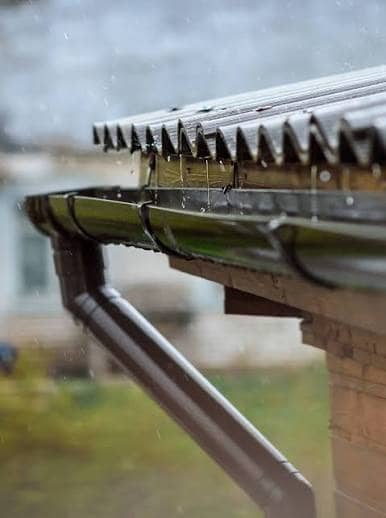
Rainfall that cannot be captured and stored is rainfall that cannot be used, yet the majority of smallholder and mid-scale African farms lose a significant proportion of annual precipitation to surface runoff before it infiltrates to the root zone or is stored for supplemental irrigation use. Jos•Hansen water harvesting programmes design and supply rainwater collection, storage and distribution infrastructure including roof catchment systems, in-field runoff capture structures, farm ponds, polyethylene storage tanks and borehole development packages. Every system is designed around the specific rainfall pattern, catchment area and crop water requirement of the target farm, providing reliable supplemental irrigation capacity from harvested rainfall without dependence on unreliable mains water supply.
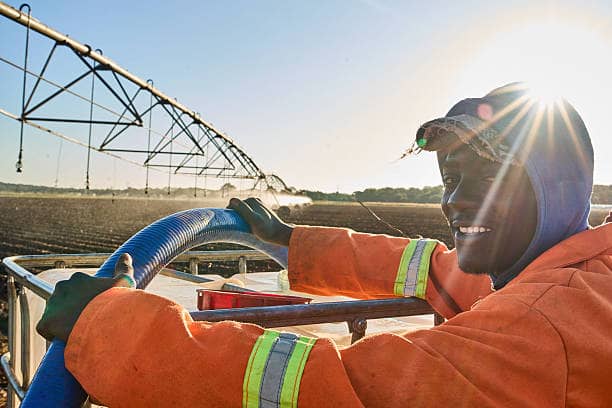
Runoff capture
In-field water harvesting structures including tied ridges, half-moon catchments and small farm bunds capture surface runoff during heavy rainfall events and direct it into farm ponds or infiltration zones, converting runoff water into available soil moisture or stored irrigation reserve. A 1 ha catchment area with 600 mm annual rainfall and 40% runoff coefficient generates 240,000 litres of harvestable water annually.
Storage systems
Polyethylene tanks from 5,000 to 200,000 litres, ferro-cement storage pans and lined farm ponds provide flexible storage capacity matched to the crop water requirement and irrigation system design of each farm. Covered tank systems prevent evaporation losses, algae growth and contamination of stored irrigation water.
Borehole development
Borehole siting, drilling, casing, pump selection and solar power installation for reliable groundwater abstraction where shallow aquifers are accessible. Jos•Hansen borehole programmes include hydrogeological assessment, yield testing and pump-solar system sizing for the target daily abstraction volume.
In-field water harvesting converts rainfall runoff into supplemental irrigation.
Simple earth structures including tied ridges, semi-circular bunds, Fanya juu terraces and infiltration trenches intercept surface runoff during rainfall events and hold water in the field long enough for infiltration into the soil profile or collection in a farm pond. Jos•Hansen water harvesting designs are based on a site assessment covering slope gradient, soil infiltration rate, rainfall intensity pattern and existing drainage infrastructure, ensuring that harvesting structures capture the target volume without creating waterlogging or structural failure risk in high-intensity events. Design outputs include an implementation map with GPS-referenced structure positions, earth volume estimates and construction specifications suitable for local contractor tendering. In-field harvesting structures can be installed with ox-plough or tractor implements at low cost, making them accessible for smallholder and mid-scale farms without access to mechanised earthworks equipment.
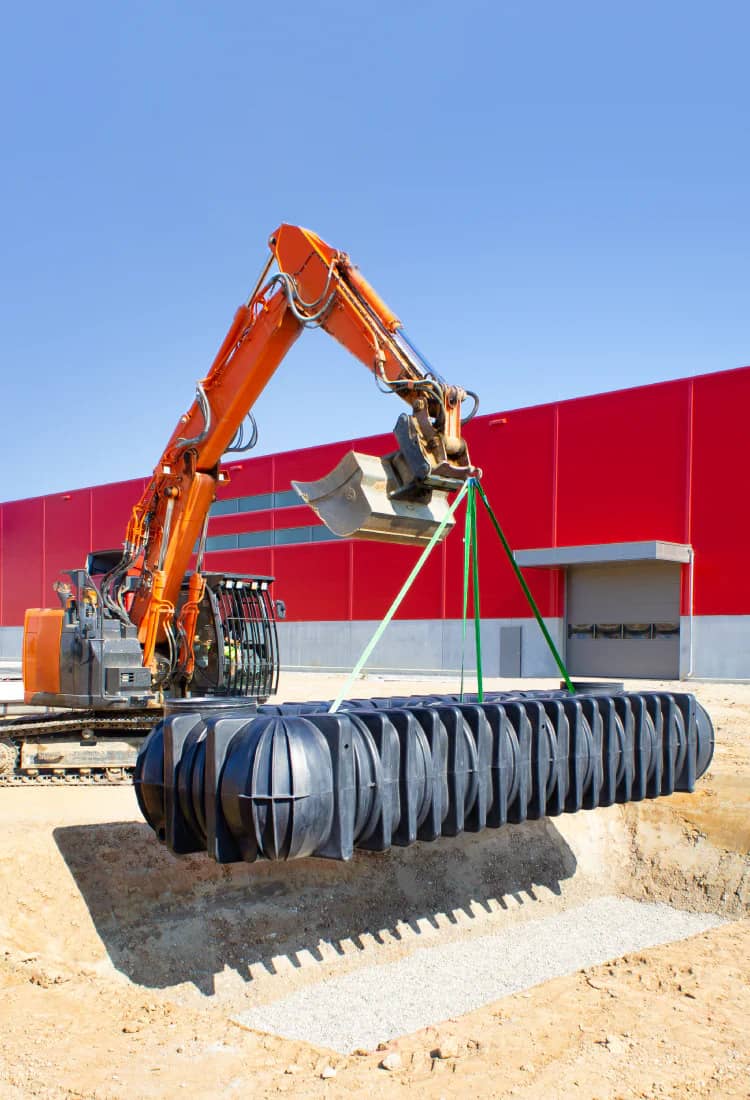
Storage tank systems provide reliable supplemental irrigation reserves.
Polyethylene tanks and lined concrete or ferro-cement reservoirs store harvested rainfall, roof catchment water or borehole abstraction for use in drip or furrow supplemental irrigation during dry spells within the growing season. Jos•Hansen storage system designs specify tank capacity against the calculated days of supplemental irrigation required between rainfall events for the specific crop and soil water holding capacity of the target field. Distribution from storage to field is designed as a gravity or low-head pump system matched to the topography of each installation, minimising pumping energy cost. Solar-powered pump systems with 1-5 kW installations are specified for remote sites without mains electricity access, providing reliable pressurisation of drip irrigation systems from stored water.
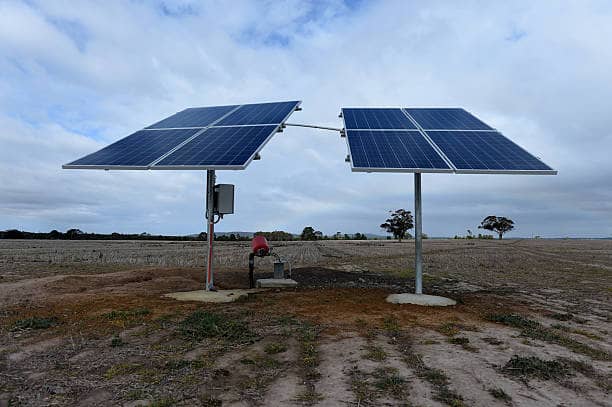
Borehole development provides year-round water security where aquifers are accessible.
Where shallow aquifers are accessible at 20-80 metre depth, borehole development provides a year-round water supply that eliminates seasonal water stress entirely for irrigated crop production. Jos•Hansen borehole programmes begin with a hydrogeological assessment using published geological maps, satellite imagery and local community groundwater knowledge to identify the most promising drilling sites before any drilling expenditure is committed. Drilling scope, casing specification, pump yield testing and abstraction borehole development are managed by licensed drillers working to Jos•Hansen technical specifications. Solar pump system sizing is based on the tested borehole yield and daily crop water requirement, with a battery storage system sized for 3 days of pump operation without sunlight to maintain irrigation continuity through overcast periods.
Technical specifications.
Harvesting structures
Tied ridges, half-moon bunds, Fanya juu terraces, farm ponds, roof catchment
Storage options
Polyethylene tanks 5,000-200,000 L, ferro-cement pans, lined farm ponds
Borehole depth range
20-100 m for shallow aquifer development; deeper on site-specific assessment
Pump systems
Solar submersible, AC submersible and surface suction pump options
Solar system range
0.5-10 kW solar pump systems sized to daily abstraction and crop water requirement
Design deliverable
Site assessment report, implementation map, BOQ and contractor specification
Annual harvestable water volume from 1 hectare of catchment area receiving 600 mm rainfall with 40% runoff coefficient, available for storage and supplemental irrigation use
Proportion of smallholder and mid-scale African farms estimated to have harvestable rainfall runoff currently lost before it can be used for crop production or stored as irrigation reserve
Battery storage backup duration specified for solar pump borehole systems, maintaining irrigation continuity during overcast periods without reliance on grid power
Why Water.
Rainfall independent of grid
Harvested rainfall and borehole water provide irrigation independence from unreliable mains water supply and expensive diesel pumping, reducing production risk and input cost.
Right-sized for each farm
Every system is designed from a site assessment covering rainfall, slope, soil and crop water requirement, ensuring storage and distribution capacity matches actual farm irrigation demand.
Low-cost earth structures
In-field water harvesting structures can be implemented with ox-plough or tractor equipment at low cost, making supplemental irrigation accessible for smallholder and mid-scale farms.
Solar-powered reliability
Solar pump systems with 3-day battery backup provide year-round borehole irrigation without grid dependence, maintaining irrigation continuity across overcast periods.
Partner with Jos Hansen
Talk to our procurement and operations teams about your next infrastructure, healthcare or scientific deployment.