
Noise Level Meters
Class 1 and Class 2 sound level meters and personal noise dosimeters for occupational health compliance and environmental noise assessment.
Occupational noise above 85 dB(A) causes permanent hearing loss and creates legal liability under OHS legislation.
Noise-induced hearing loss is the most prevalent occupational disease globally and the leading cause of compensation claims in manufacturing, mining, construction and agriculture across Africa. African OHS legislation requires employers to assess occupational noise exposure, implement controls where exposure exceeds 85 dB(A) TWA, and monitor personal exposure where controls cannot reduce noise to safe levels. Jos•Hansen supplies the full Casella and Pulsar Instruments noise measurement range for occupational health compliance monitoring and environmental noise assessment.
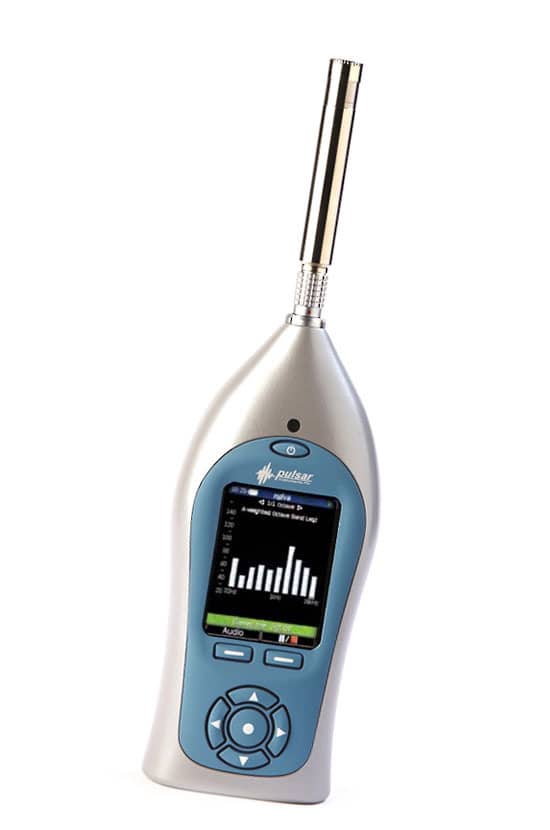
Class 1 precision
IEC 61672 Class 1 sound level meters provide the highest accuracy noise measurement required for regulatory reference measurements, legal proceedings and precision environmental noise assessment where measurement uncertainty must be minimised.
Personal dosimetry
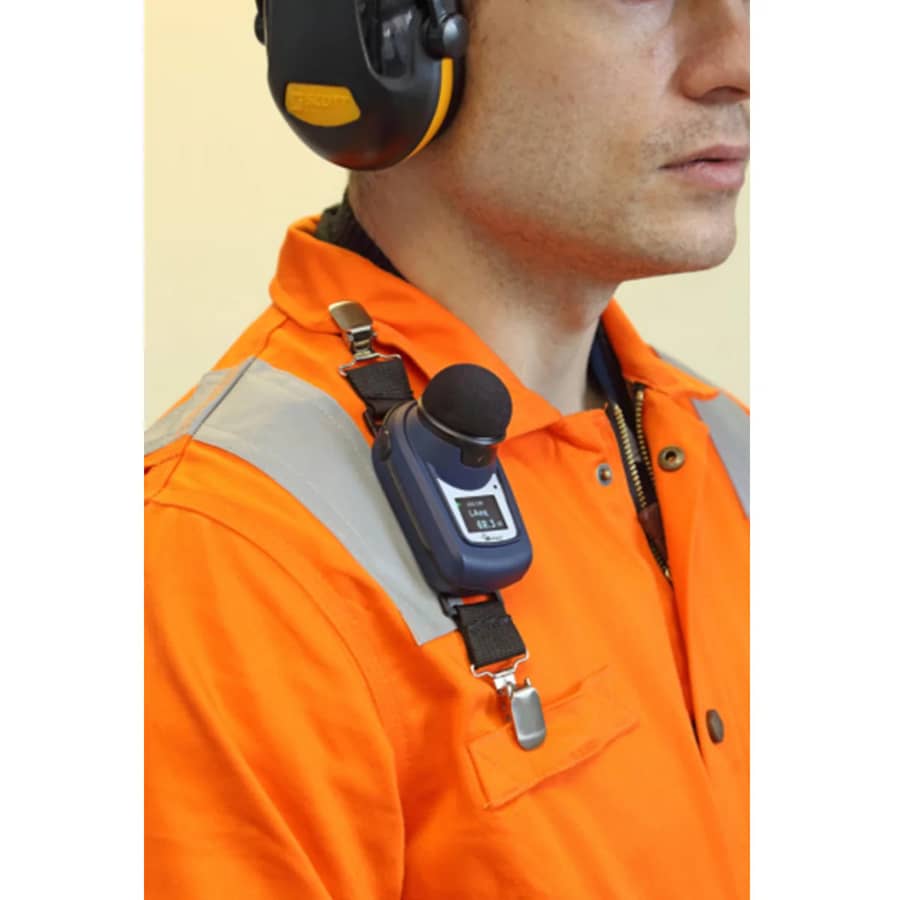
Casella dBadge2 and Pulsar NoisePen dosimeters worn by workers throughout a shift measure the actual personal noise exposure dose including movement between noise zones, providing the TWA and LMAX data required for OHS regulatory compliance.
Octave band analysis
Octave and third-octave band frequency analysis characterises noise sources by frequency, enabling engineering control design, hearing protection selection and noise propagation modelling for environmental impact assessment.
Personal dosimeters measure actual worker noise exposure over a full shift.
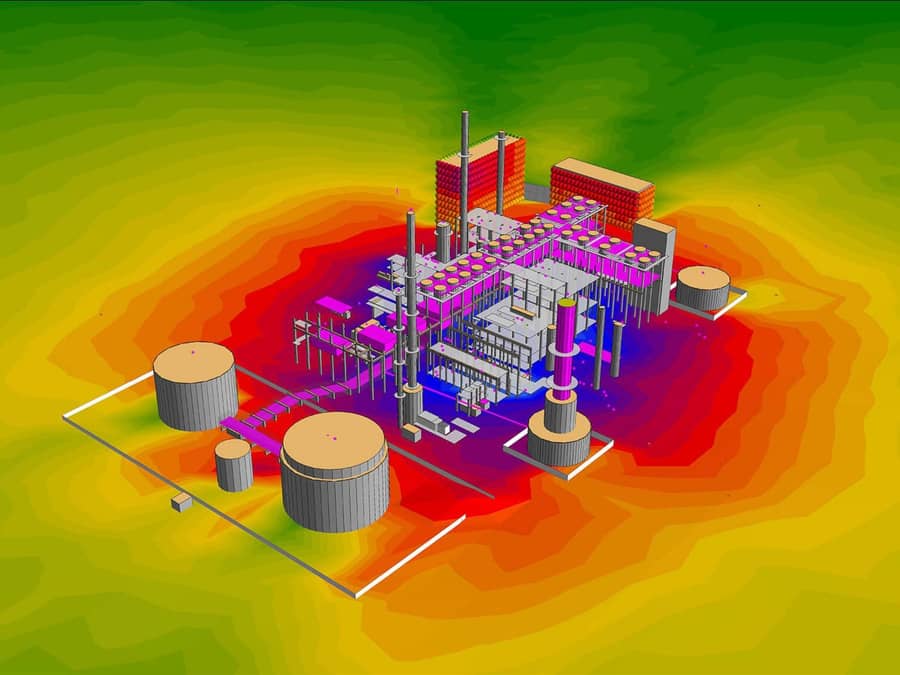
Systematic walk-around noise surveys using Class 2 sound level meters map the spatial distribution of noise levels across an industrial facility, identifying zones where workers are exposed above the 85 dB(A) action level and prioritising engineering controls. Noise mapping data combined with worker occupancy time enables calculation of personal noise doses for different job roles without individual dosimetry of every worker. Environmental noise surveys at facility boundaries assess community impact against national and WHO environmental noise guidelines.
Class 1 meters provide reference quality data for regulatory submissions.
IEC 61672-1 Class 1 sound level meters with Type 1 microphones provide the measurement accuracy required for environmental noise assessments submitted to regulators, noise impact assessments included in EIA reports and legal proceedings where measurement uncertainty must be formally characterised. Casella CEL-633 and Pulsar Nova Class 1 meters include simultaneous measurement of multiple noise metrics, octave and third-octave band analysis, real-time data logging and GPS tagging of measurement positions for environmental noise mapping. Factory UKAS calibration certificates are provided for all Class 1 instruments.
Noise mapping identifies hotspots and prioritises engineering controls.
Systematic walk-around noise surveys using Class 2 sound level meters map the spatial distribution of noise levels across an industrial facility, identifying zones where workers are exposed above the 85 dB(A) action level and prioritising engineering control interventions. Noise mapping data combined with worker occupancy time enables calculation of personal noise doses for different job roles without individual dosimetry of every worker. Environmental noise surveys at facility boundaries assess community noise impact against national and WHO environmental noise guidelines for residential areas.
Technical specifications.
Class 1 meters
Casella CEL-633, CEL-350; Pulsar Nova IEC 61672 Class 1
Class 2 meters
Casella CEL-246; Pulsar Model 30 IEC 61672 Class 2
Dosimeters
Casella dBadge2; Pulsar NoisePen IEC 61252 personal noise dosimeters
Metrics measured
LAeq, LCeq, Lpeak, LAmax, LCmax, LEX8h, LN percentiles, octave bands
Calibration
UKAS-traceable acoustic calibrator supplied; factory calibration certificate included
Software
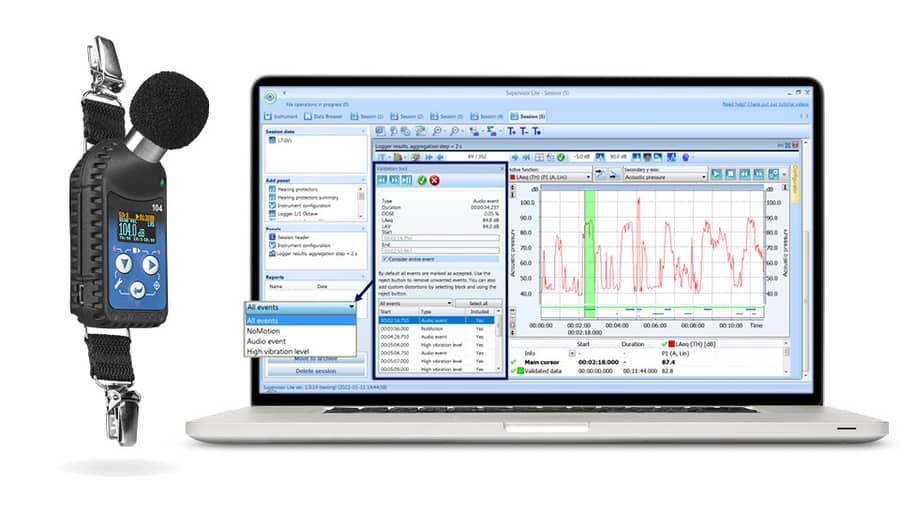
Casella Insight; Pulsar NoiseTools reporting to ISO 9612 and BS 8233
Occupational noise action level under East African OHS legislation above which employers must implement hearing protection and exposure monitoring programmes
IEC 61672 measurement accuracy classification of Casella and Pulsar instruments, providing legally defensible precision for regulatory submissions and EIA reports
Full-shift noise dose measurement by personal dosimeters capturing actual exposure including movement between noise zones that spot measurements miss
Why Noise.
OHS legal compliance
Personal dosimetry generates the individual worker exposure records required to demonstrate compliance with national OHS noise regulations and defend compensation claims.
UKAS traceable calibration
All instruments are supplied with factory UKAS-traceable calibration certificates, ensuring measurement traceability for regulatory and legal purposes.
Full noise survey capability
Class 1 meters, Class 2 meters and personal dosimeters provide the complete instrument set for occupational noise surveys, environmental noise assessments and EIA noise chapters.
Hearing loss prevention
Identifying noise hotspots and high-exposure workers enables targeted engineering controls and hearing protection programmes before permanent hearing damage occurs.
Partner with Jos Hansen
Talk to our procurement and operations teams about your next infrastructure, healthcare or scientific deployment.