
CTG Machines
Cardiotocography for continuous electronic fetal surveillance during labour.
Fetal distress develops silently. By the time a midwife detects it by auscultation, the window for safe intervention may already have closed.
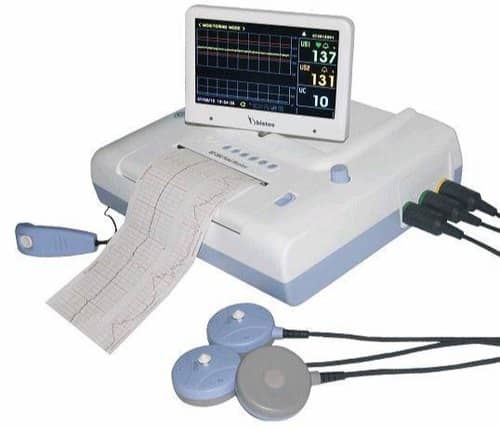
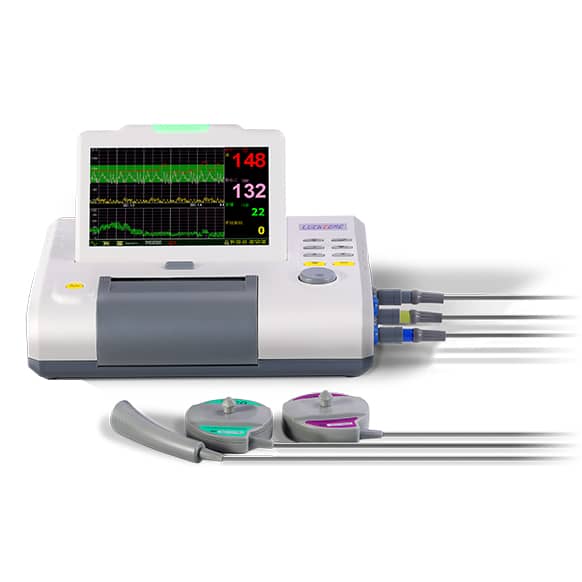
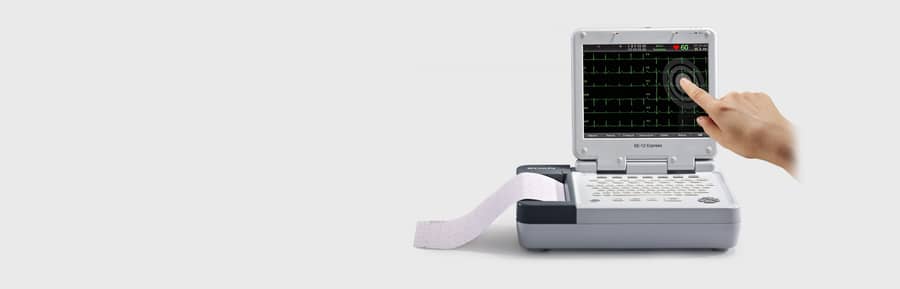
Cardiotocography (CTG) simultaneously records fetal heart rate (FHR) and uterine contractions (UC), producing a continuous trace that trained clinicians read to identify patterns associated with fetal hypoxia. Bistos and Edan CTG systems deliver high-sensitivity Doppler FHR detection, real-time automated classification of FHR patterns and uterine activity data — with thermal printing for paper records, colour touchscreen display and a central monitoring station option for simultaneous multi-bed surveillance. Battery backup sustains monitoring through the power interruptions common in East African hospitals. Jos•Hansen supplies CTG machines, thermal paper rolls and Doppler transducers with local technical support and engineer response across Kenya, Uganda and Tanzania.
Real-time distress detection
Continuous FHR and UC trace enables immediate identification of late decelerations, prolonged bradycardia and reduced variability — the CTG patterns that signal fetal hypoxia and require urgent obstetric response before permanent neurological injury occurs.
Automated pattern classification
Built-in NST (non-stress test) and AFM (automated fetal movement) analysis reduces subjective interpretation error — flagging suspicious and pathological patterns with on-screen alerts so midwives can escalate without waiting for obstetric review.
Labour ward network
Central monitoring station option allows a single nurse to simultaneously observe traces from all labouring patients on the ward — covering busy labour wards where staff-to-patient ratios limit individual continuous observation.
The case for continuous CTG — what intrapartum monitoring prevents.
Intermittent auscultation misses late decelerations between checks and cannot capture uterine hyperstimulation patterns. In high-risk pregnancies — including post-dates, pre-eclampsia, induction of labour, IUGR and multiple gestation — continuous CTG is the standard of care. Studies show that intrapartum CTG surveillance reduces intrapartum stillbirth and birth asphyxia rates by 30–50% in monitored populations versus auscultation-only settings. In East Africa, where intrapartum hypoxia is a leading cause of neonatal mortality and cerebral palsy, CTG deployment at district and referral hospitals directly reduces the disease burden that NICUs and rehabilitation services are built to manage.
Labour ward integration — central station and multi-bed surveillance.
A single CTG machine at the bedside requires a midwife to remain present to observe the trace. Central monitoring systems receive wireless or wired traces from all bedside units simultaneously, displaying every active patient on one screen at the nursing station. The charge midwife can monitor the full ward, identify alarms on any patient and dispatch staff before distress escalates. Bistos central stations support up to 16 simultaneous beds, with remote trace printing, patient record storage and alarm escalation by priority — the architecture for a functioning labour ward surveillance system rather than isolated bedside monitoring.
Africa-ready supply — thermal paper, transducers and technical support.
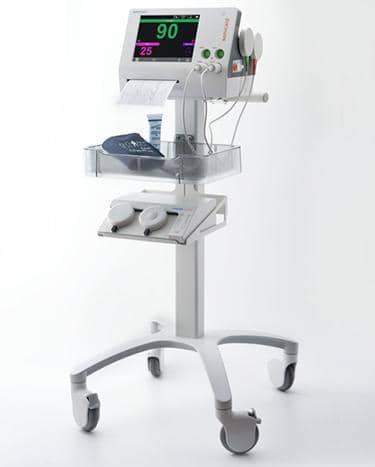
A CTG machine without thermal paper produces no record. Jos•Hansen maintains in-country stock of compatible thermal paper rolls, tocotransducers, Doppler ultrasound transducers and belt sets for all supplied CTG models — preventing the consumable stock-outs that render functional equipment useless. Annual preventive maintenance, transducer calibration and engineer response under 48 hours are included in Jos•Hansen service agreements. Training for midwives and nursing staff is provided at installation and on request, covering trace interpretation, alarm response and equipment care.

Technical specifications.
Monitoring parameters
Fetal heart rate (FHR) · uterine contractions (UC) · fetal movement (FM)
FHR range
50–240 bpm (Doppler ultrasound)
Display
8.4" colour touchscreen · thermal printer built-in
Central station
Up to 16-bed network compatible (Bistos BT-350 Plus)
Battery backup
Internal rechargeable · 4-hour continuous monitoring
Record storage
Internal memory + USB export
Reduction in intrapartum stillbirth and birth asphyxia in CTG-monitored versus auscultation-only labour ward populations (published obstetric studies)
Simultaneous beds supported on Bistos central monitoring station — enabling full labour ward surveillance from a single nursing station
Battery backup duration — sustaining uninterrupted CTG monitoring through the power interruptions common across East African hospital facilities
Why CTG.
Continuous fetal surveillance
Simultaneous FHR and UC recording detects distress patterns — late decelerations, bradycardia, reduced variability — that intermittent auscultation cannot reliably identify.
Automated alarm classification
On-screen NST and AFM analysis flags suspicious and pathological traces — reducing interpretation error and enabling timely obstetric escalation without waiting for clinical review.
Power-resilient operation
4-hour internal battery and auto-restart after power interruption — the reliability that African labour wards require when grid power is unstable.
Consumables and support
Jos•Hansen maintains in-country stock of thermal paper, transducers and accessories — with PPM, calibration and <48-hour engineer response across East Africa.
Partner with Jos Hansen
Talk to our procurement and operations teams about your next infrastructure, healthcare or scientific deployment.