
Biogas & Organic Waste Systems
Anaerobic biogas digesters and composting systems converting organic waste into renewable energy and nutrient-rich soil amendment.
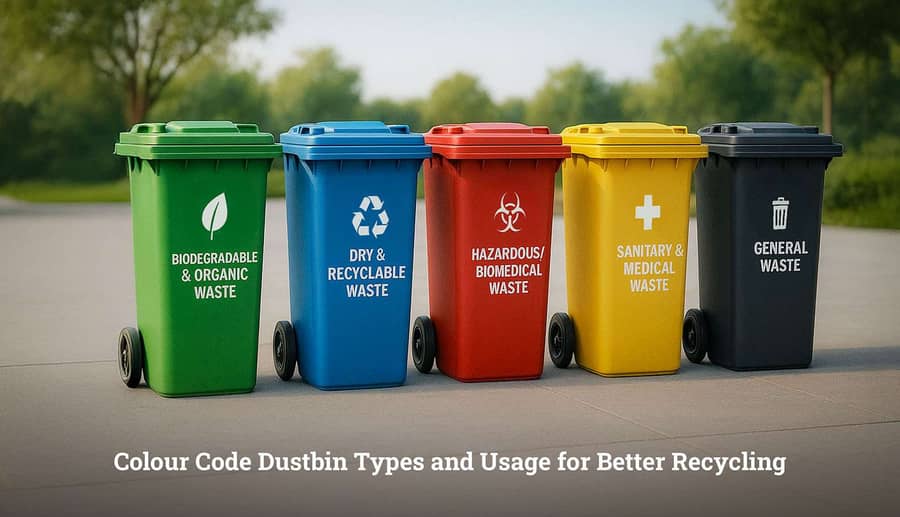
60% of African municipal waste is organic, the highest organic fraction globally, and it is almost entirely lost to open dumping.
Africa’s municipal waste stream is 60% organic by weight, the highest organic fraction globally, yet it is almost entirely lost to open dumpsites generating methane 84 times more potent than CO2. The same material fed into an anaerobic biogas digester generates combustible biogas for cooking and heating and nutrient-rich digestate for soil amendment. Jos•Hansen designs, supplies and installs biogas systems from 2 m³ household units to 500 m³ institutional and community digesters matched to the available organic waste stream.
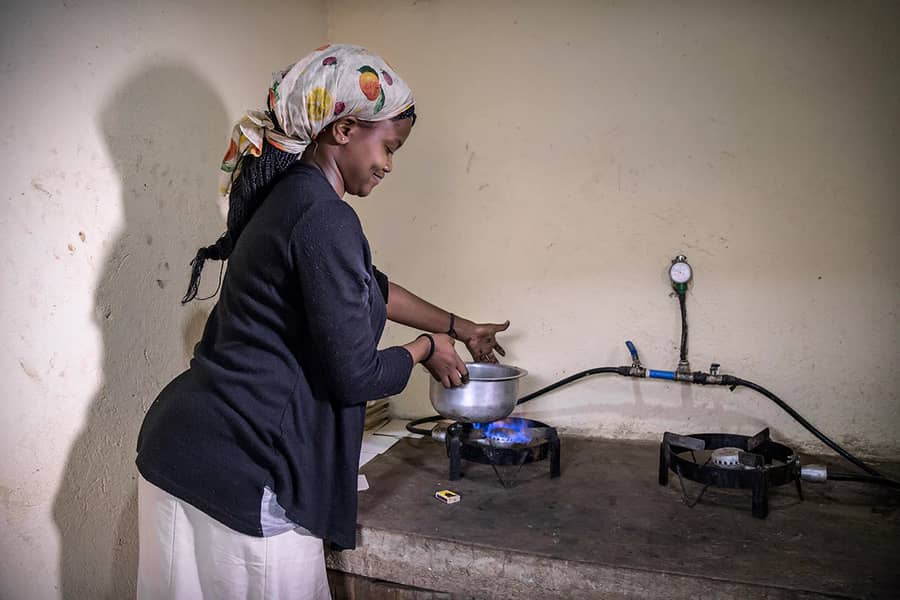
80% fuel savings
Biogas generated from organic waste at health facilities, schools and institutional kitchens replaces 80% of commercial LPG consumption for cooking and heating, recovering system capital cost in 3-5 years through eliminated fuel expenditure.
Rich digestate fertiliser
Anaerobic digestion retains 70-80% of nitrogen, phosphorus and potassium from organic inputs in the digestate, producing a liquid and solid fertiliser equivalent in nutrient value to commercial fertiliser at zero cost to the operator.
Zero odour operation
Correctly designed anaerobic digesters operate as closed systems, converting organic waste without the odour, fly breeding and pathogen risks of open composting or aerobic decomposition at dump sites.
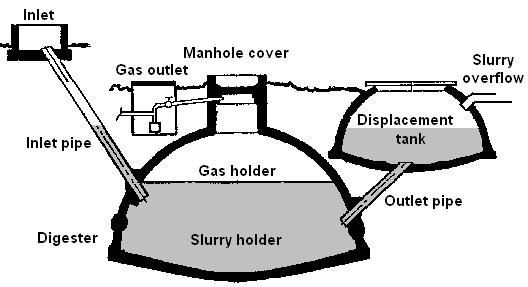
Biogas digesters convert organic waste into cooking fuel and electricity.
Community-scale digesters of 50-500 m³ capacity process segregated organic waste from market stalls, abattoirs and neighbourhood collection, distributing biogas via small-bore pipelines to households and facilities within 200 metres. Jos•Hansen community digester designs include waste input systems, gas storage and pressure regulation, distribution pipelines, condensate traps and safety systems certified to LPG-equivalent standards. Construction management is provided for local contractor execution, with critical technical components imported and civil works using locally available construction labour.
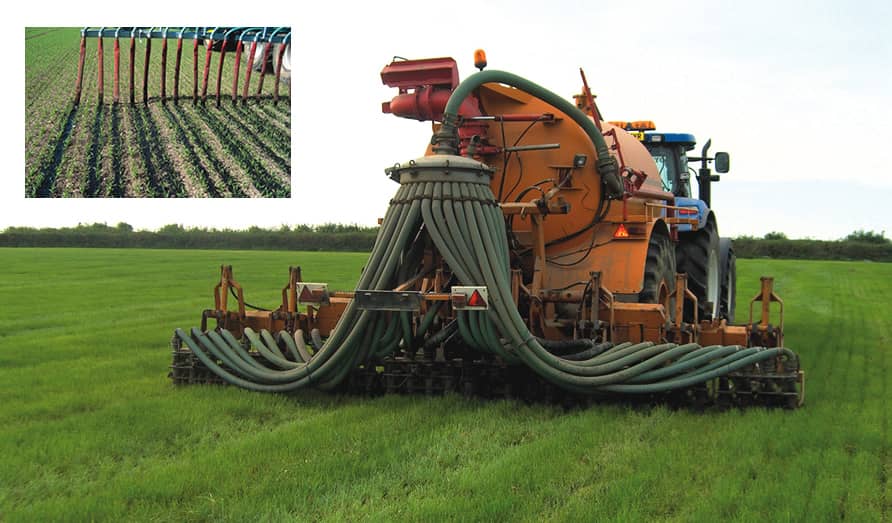
Digestate provides crop-available nutrients equivalent to commercial fertiliser.
Anaerobic digestion mineralises organic nitrogen and phosphorus into ammonium and orthophosphate forms directly available for crop uptake. Liquid digestate applied at 20-30 m³/ha replaces 50-100 kg/ha of urea and 30-50 kg/ha of TSP fertiliser, with potassium and micronutrient values that reduce dependence on imported mineral fertiliser. Solid digestate compost with 40-60% moisture content is suitable for field application, bagging as soil amendment product or composting with crop residue to improve soil organic matter content.
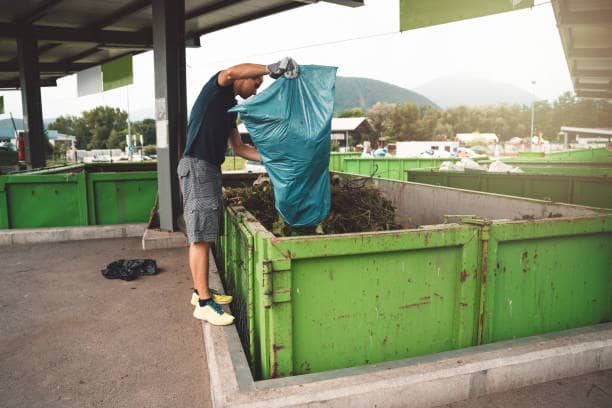
Community-scale digesters serve markets, health facilities and neighbourhoods.
Community-scale digesters of 50-500 m³ capacity process segregated organic waste from market stalls, abattoirs, food processing facilities and neighbourhood collection to produce biogas distributed via small-bore pipelines to user households and facilities within 200 metres. Jos•Hansen community digester designs include waste input systems for different waste types, gas storage and pressure regulation, biogas distribution pipelines, condensate traps and safety systems. Construction management is provided for local contractor execution, with all critical technical components imported and local civil works using semi-skilled construction labour.
Technical specifications.
System range
2 m³ household to 500 m³ community and institutional digesters
Digester types
Fixed-dome, floating-drum, plug-flow, CSTR for different waste types
Biogas yield
0.3-0.5 m³ biogas/kg VS input for food and market waste
Gas quality
60-70% CH4; CO2 balance; H2S scrubbed to <100 ppm for appliance use
Feedstocks
Food waste, market waste, animal manure, agricultural residue, abattoir waste
Digestate
Liquid 20-30 m³/ha application; solid 40-60% moisture compost
LPG fuel cost reduction at health facilities and institutional kitchens when biogas from organic waste replaces commercial cylinder gas supply
Proportion of African municipal solid waste that is organic and convertible to biogas or compost, the highest organic fraction of any region globally
Greater climate warming potential of methane from open dumping versus CO2, making organic waste diversion to biogas one of the highest-impact climate interventions available
Why Biogas.
Closed odour-free system
Anaerobic digesters operate as sealed systems without the odour, flies and pathogen risks of open composting, making them acceptable to neighbours and health facility operators.
3-5 year payback
Fuel cost savings from biogas replacing LPG recover system capital cost in 3-5 years, providing 15-20 years of net-positive returns on investment thereafter.
Free fertiliser output
Digestate provides crop-available nutrients equivalent to commercial fertiliser at zero cost, reducing farm input expenditure for agricultural operators.
Methane emission reduction
Diverting organic waste from open dumps eliminates methane generation 84 times more potent than CO2, contributing quantifiable GHG emission reductions for carbon reporting.
Partner with Jos Hansen
Talk to our procurement and operations teams about your next infrastructure, healthcare or scientific deployment.