
Recycling & Sorting Equipment
Mechanical sorting tables, balers, compactors and shredders converting segregated waste fractions into clean, marketable recyclable materials.
Africa’s 4% formal recycling rate represents an enormous recoverable resource currently lost to landfill and open dumping.
The economics of recycling in Africa are favourable: local demand for recycled PET, aluminium, steel and paper is strong, collection distances are short, and labour costs are competitive. The barrier is not economics but equipment: manual sorting achieves 30-40% recovery from mixed streams, while mechanical sorting lines increase this to 70-85% and produce dense bales meeting offtake specifications. Jos•Hansen provides the mechanical sorting, baling and shredding equipment that converts segregated recyclable waste into clean, marketable fractions for local recycling industries.
85% recovery
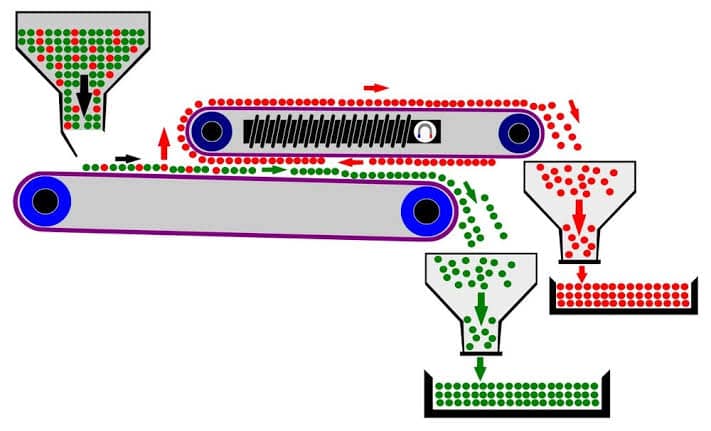
Mechanical sorting lines combining manual pre-sorting, magnetic separation, eddy current separation and optical colour sorting achieve 70-85% recovery of recoverable value from segregated recyclable waste streams.
15:1 compaction
Horizontal balers compact PET bottles, HDPE, aluminium cans, cardboard and paper at 10-15:1 volume reduction ratios, producing dense bales that meet export and domestic offtake specifications and dramatically reduce transport cost.
Revenue generation
Clean, dense bales of PET, HDPE, aluminium and cardboard generate consistent offtake revenue from local recycling industries and export buyers, creating a sustainable financial model for recycling operations.
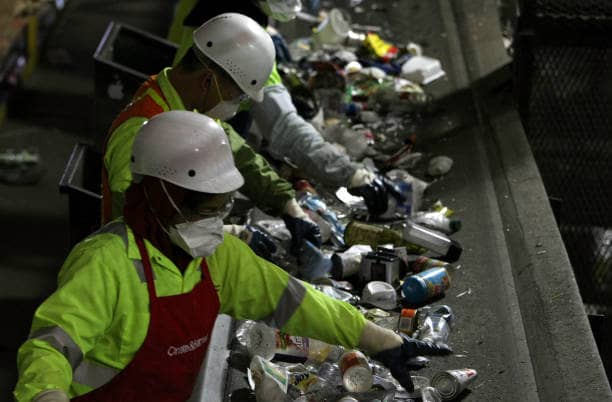
Mechanical separation recovers metals and plastics from mixed streams.
Single-shaft and two-shaft industrial shredders reduce bulky waste including white goods, tyres, large plastic containers and pallets to a particle size suitable for sorting, compaction and material recovery. Tyre shredding produces crumb rubber for road surfacing, playground surfaces and impact flooring, creating a valuable secondary material from a waste stream that is otherwise difficult to manage. Jos•Hansen shredder specifications are matched to the specific waste stream composition, throughput requirement and downstream process of each installation.
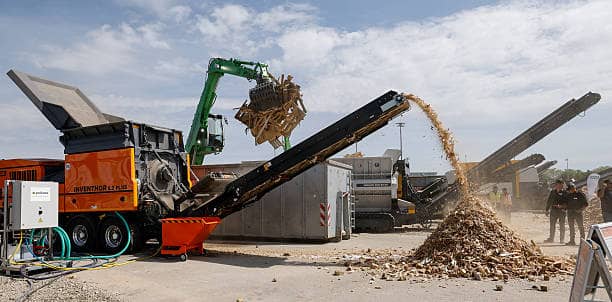
Balers produce dense, transportable product bales meeting offtake specifications.
Horizontal channel balers compress PET bottles, HDPE containers, aluminium cans, cardboard and paper into dense wire-tied bales of 400-1,200 kg at volume reduction ratios of 10-15:1, reducing transport cost per tonne of recyclable material to a fraction of loose material collection. Bale dimensions and wire-tying specifications are configured to match the requirements of target offtake buyers, whether domestic plastic reprocessors, cardboard mills or aluminium smelters. Semi-automatic and automatic balers are available from 15 tonnes per hour capacity for small community operations to 60 tonnes per hour for large municipal facilities.
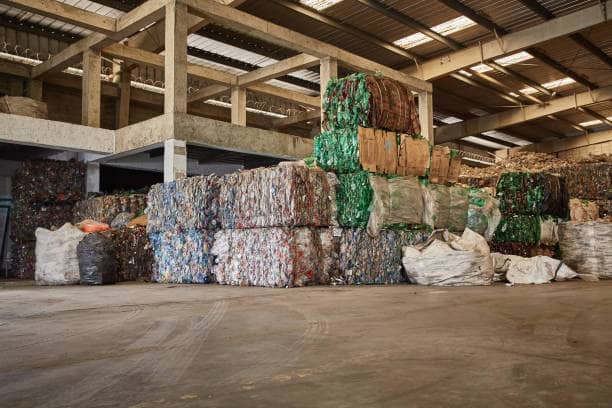
Industrial shredders pre-process bulky waste for compaction and material recovery.
Single-shaft and two-shaft industrial shredders reduce bulky waste including white goods, tyres, large plastic containers and wooden pallets to a particle size suitable for sorting, compaction and material recovery. Tyre shredding produces crumb rubber for road surfacing, playground surfaces and impact flooring applications, creating a valuable secondary material from a waste stream that is otherwise difficult to manage. Jos•Hansen shredder specifications are matched to the specific waste stream composition, throughput requirement and downstream process of each installation.
Technical specifications.
Magnetic separators
Overhead belt, drum and pulley types; ferrous recovery 95%+
Eddy current
Non-ferrous separation; aluminium recovery 80-90%
Baler range
15-60 t/hr; bale weight 400-1,200 kg; volume reduction 10-15:1
Bale materials
PET, HDPE, aluminium, cardboard, paper, mixed plastics
Shredder types
Single-shaft, two-shaft, four-shaft for tyres, e-waste, bulky waste
Conveyor systems
Sorting belts 800-1,200 mm wide; speed 0.1-0.3 m/s for manual sorting
Recyclable value recovery from segregated waste streams by mechanical sorting lines versus 30-40% by manual sorting alone, increasing programme revenue
Volume compaction ratio of horizontal balers, reducing transport cost per tonne of recyclable material and enabling accumulation before offtake shipment
Ferrous metal recovery efficiency of magnetic drum separators from mixed recyclable conveyor streams without manual picking
Why Recycling.
Offtake-ready product quality
Bale specifications configured to match domestic and export offtake buyer requirements, ensuring consistent product quality that maintains buyer relationships.
Revenue from waste streams
Mechanical sorting and baling converts waste into a consistent revenue stream from offtake buyers, creating financial sustainability for recycling operations.
Scalable configurations
Recycling line configurations scale from single-machine community operations to full municipal mechanical biological treatment installations.
Landfill diversion
Mechanical sorting recovers materials that would otherwise go to landfill or open dumping, reducing leachate, methane and pollution from waste disposal sites.
Partner with Jos Hansen
Talk to our procurement and operations teams about your next infrastructure, healthcare or scientific deployment.